지난주 팀 미팅에서 동료가 슬랙에 링크 하나를 던졌습니다. "이거 봤어? 저녁 접시만 한 칩이래." 처음엔 웃겼어요. 반도체 칩이 접시 크기라니. 근데 스펙을 읽어보고 나서 웃음이 싹 사라졌습니다. 트랜지스터 4조 개, AI 코어 90만 개. NVIDIA H100의 코어 수가 약 1만 8천 개인데, 50배라고요?
이게 바로 Cerebras의 WSE-3(Wafer-Scale Engine 3)입니다. 그리고 이 회사가 2026년 2분기, 빠르면 4월에 IPO를 추진하고 있습니다.
- Cerebras WSE-3는 세계 최대 AI 칩으로, 5nm 공정에 트랜지스터 4조 개, AI 코어 90만 개를 탑재
- 메모리 대역폭 21PB/s로 NVIDIA Blackwell B200 대비 약 2,600배 빠르다는 주장
- IPO 기업 가치 약 70~80억 달러(약 10조 원)로 추정, 티커는 CBRS(나스닥)
- NVIDIA 학습 시장은 아직 넘보기 어렵지만, 추론(inference) 시장에서 진짜 경쟁자로 부상 중
- G42(UAE) 매출 의존도 80%+ 라는 리스크도 존재
웨이퍼 스케일이 뭐길래
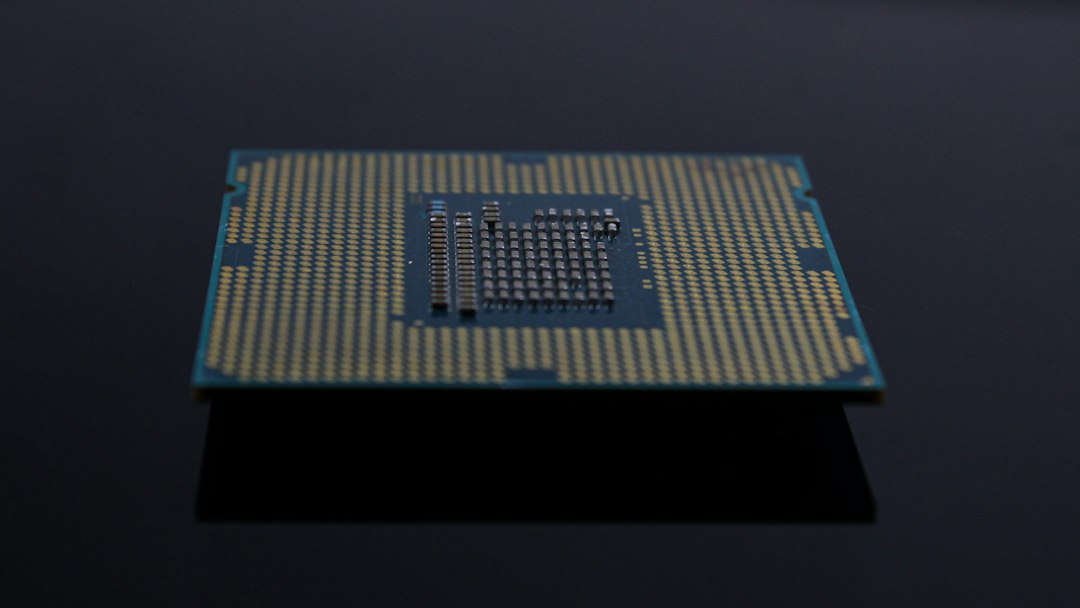
보통 반도체는 실리콘 웨이퍼 위에 칩을 수백 개 찍어낸 다음 잘라서 쓰죠. NVIDIA의 H100이든 AMD의 MI300이든 다 그렇습니다. Cerebras는 이 상식을 깼습니다. 웨이퍼 자체를 하나의 거대한 칩으로 만들어버린 겁니다.
결과물이 WSE-3. TSMC 5nm 공정으로 만들었고, 크기가 가로세로 약 21cm. 진짜 저녁 접시 사이즈입니다.
| 스펙 | Cerebras WSE-3 | NVIDIA H100 | NVIDIA B200 |
|---|---|---|---|
| 트랜지스터 | 4조 개 | 800억 개 | 2,080억 개 |
| AI 코어 | 900,000개 | 18,432개 | 약 20,000개 |
| 온칩 메모리 | 44GB SRAM | 80GB HBM3 | 192GB HBM3e |
| 메모리 대역폭 | 21 PB/s | 3.35 TB/s | 8 TB/s |
| 공정 | 5nm | 4nm | 4nm |
수치만 보면 압도적이죠. 근데 여기서 주의할 점이 있습니다.
"빠르다"와 "좋다"는 다릅니다
이전에 NVIDIA의 Vera Rubin 발표를 다뤘을 때도 느낀 건데, 칩 스펙 비교는 함정이 많습니다.
WSE-3의 21PB/s 메모리 대역폭은 온칩 SRAM 기준이에요. NVIDIA의 HBM 대역폭과는 성격이 다릅니다. SRAM은 용량이 작지만 빠르고, HBM은 용량이 크지만 상대적으로 느리죠. 사과와 오렌지를 비교하는 셈입니다.
그럼에도 Cerebras가 주목받는 이유는 명확합니다. 추론(inference) 속도에서 진짜 차이가 납니다. Cerebras 클라우드 추론 서비스는 초당 2,000토큰 이상을 처리한다고 합니다. 지금 ChatGPT나 Claude를 쓸 때 체감하는 응답 속도가 대략 초당 50~100토큰 정도인 걸 생각하면, 이건 차원이 다른 수준이에요.
IPO: 왜 지금인가
Cerebras의 IPO 이력은 좀 복잡합니다.
- 2024년 9월: SEC에 비밀 상장 서류 제출
- 2024년 10월: CFIUS(미국 외국인투자위원회) 심사로 보류
- 2025년 12월: Reuters 보도로 IPO 재추진 확인
- 2026년 Q2: 현재 목표 시점, 빠르면 4월
왜 한 번 좌절됐냐면, G42 때문입니다. G42는 UAE(아랍에미리트) 기반 AI 기업인데, Cerebras의 최대 고객이자 투자자였습니다. 문제는 G42가 과거에 화웨이 등 중국 기업과 관계가 있었다는 점. 미국 정부가 "이거 국가 안보 문제 아니냐"며 CFIUS 심사를 걸었고, IPO가 막혔습니다.
2025년 말에 G42가 지분을 정리하면서 CFIUS 승인을 받았고, 이제 IPO 앞에 있는 장애물이 사라졌습니다.
기업가치는 70~80억 달러(약 10조 원) 로 추정됩니다. 총 펀딩 7.2억 달러, 마지막 시리즈 F에서 기업가치 47억 달러였으니 IPO에서 거의 2배 가까이 뛰는 셈이죠.
개발자 관점에서 보면
대부분의 개발자에게 Cerebras는 아직 남의 일입니다. AWS, Azure, GCP에서 NVIDIA GPU 인스턴스를 빌려 쓰는 게 현실이니까요. 근데 이게 왜 중요하냐면요.
1. 추론 비용이 바뀔 수 있습니다
지금 LLM API 가격 구조는 결국 NVIDIA GPU 클러스터 운영 비용에 기반합니다. Cerebras처럼 추론 특화 칩이 시장에 들어오면, API 가격 경쟁이 벌어질 수 있어요. OpenAI IPO 리스크 분석에서도 다뤘지만, AI 기업들의 인프라 비용은 수익성의 핵심 변수입니다.
2. 하드웨어 다양성 = 개발자 선택지 확대
NVIDIA CUDA 생태계에 갇혀 있던 AI 개발이 조금씩 다양해지고 있습니다. AMD ROCm, Intel Gaudi, 그리고 Cerebras. 경쟁이 붙으면 도구와 프레임워크도 좋아지겠죠.
3. 온디바이스 vs 클라우드 추론의 판도
초당 2,000토큰 추론이 클라우드에서 상용화되면, 지금 온디바이스 AI에 투자하는 방향과 클라우드 API를 쓰는 방향 사이의 계산이 달라집니다.
리스크도 냉정하게 봐야죠
흥미로운 칩이지만, 투자나 기술 채택 관점에서 리스크가 적지 않습니다.
매출 집중 리스크가 심각합니다. 2023년 기준 하드웨어 매출의 80% 이상이 G42 한 곳에서 나왔습니다. 한 고객에게 이 정도로 의존하는 건 상장 기업으로서 꽤 위험한 구조예요. G42가 계약을 줄이면 매출이 바로 흔들리니까요.
CUDA 생태계의 벽은 높습니다. NVIDIA가 강한 건 칩 성능만이 아닙니다. 수십만 개발자가 CUDA로 코드를 짜고, PyTorch/TensorFlow 생태계가 CUDA 위에서 돌아갑니다. Cerebras가 아무리 빠른 칩을 만들어도, 소프트웨어 생태계가 따라오지 않으면 채택이 느릴 수밖에 없어요.
학습(training) 시장은 아직 NVIDIA 독무대. WSE-3가 강점을 보이는 건 추론 영역입니다. 대규모 모델 학습은 여전히 NVIDIA GPU 클러스터가 표준이고, 이 시장을 뒤집기엔 갈 길이 멉니다.
| 항목 | 강점 | 리스크 |
|---|---|---|
| 기술력 | 추론 속도 압도적, 웨이퍼 스케일 독보적 | 학습 시장 진입 미약 |
| 시장 | AI 추론 수요 폭발적 증가 | G42 매출 의존도 80%+ |
| 생태계 | CS-3 시스템 + 클라우드 서비스 | CUDA 대비 개발자 생태계 부족 |
| IPO | CFIUS 승인 완료, 명확한 일정 | 테크 IPO 시장 불확실성 |
| 가치평가 | $8B은 AI 칩 시장 대비 합리적 | 매출 규모 대비 높을 수 있음 |
DARPA도 주목하고 있습니다
한 가지 흥미로운 점. 2025년 4월에 Cerebras가 DARPA(미국 국방고등연구계획국)로부터 4,500만 달러 규모 계약을 받았습니다. Ranovus와 파트너십으로 광통신 기반 AI 가속 연구를 진행하는 건데요. 미국 정부가 NVIDIA 대안을 진지하게 찾고 있다는 신호로 읽을 수 있습니다.
이건 단순히 "빠른 칩 하나 만든 스타트업" 이야기가 아닙니다. AI 인프라의 공급망 다변화라는 큰 흐름의 한 조각이에요.
그래서, 주목할 가치가 있나?
짧게 답하면 "관심은 가지되, 흥분은 아직" 입니다.
Cerebras WSE-3는 분명 인상적인 기술입니다. 추론 특화 시장에서 NVIDIA에 균열을 낼 수 있는 몇 안 되는 칩이에요. IPO가 성공하면 AI 칩 시장의 경쟁 구도가 바뀌기 시작할 수 있습니다.
하지만 G42 매출 의존도, CUDA 생태계와의 격차, 아직 검증되지 않은 대규모 상용화 사례를 생각하면 "NVIDIA 킬러"라고 부르기엔 이릅니다. 개인적으로는 IPO 후 첫 2~3분기 실적을 지켜보는 게 맞다고 생각합니다.
개발자로서 하나 확실한 건, AI 칩 시장의 경쟁이 치열해질수록 우리가 쓰는 API 가격은 내려간다는 겁니다. 그 점에서는 Cerebras든 AMD든, NVIDIA의 독점에 균열을 내는 모든 시도를 응원합니다.
AI 칩 시장의 경쟁이 치열해질수록 우리가 쓰는 API 가격은 내려갑니다. Cerebras든 AMD든, NVIDIA의 독점에 균열을 내는 모든 시도가 결국 개발자에게 이득입니다.
출처
- AI chipmaker Cerebras Systems rekindles IPO plans, targeting early 2026 listing — SiliconANGLE, 2025년 12월 21일
- Cerebras IPO Countdown: Prepare to Invest in April 2026 — AccessIPOs, 2026년 3월 기준
- Cerebras IPO: Why This Nvidia Rival Could Go Public in 2026 — MarketWise, 2026년 3월 기준
- When Is the Cerebras IPO? Date, Valuation, and More — EBC Financial Group, 2025년 9월 기준
함께 읽으면 좋은 글:
- OpenAI IPO 리스크 공개서 해부: '최대 파트너 Microsoft가 최대 리스크'라는 역설 - OpenAI의 IPO 리스크와 AI 기업 상장의 현실
- AI 데이터센터에 1조 달러: NVIDIA Vera Rubin과 인프라 투자 붐이 개발자에게 의미하는 것 - NVIDIA의 차세대 칩과 AI 인프라 투자 흐름