처음엔 반신반의했어요. "SEO 최적화하면 정말 방문자가 늘어날까?" 블로그 시작한 지 6개월, 하루 방문자 수가 고작 30명 정도였거든요. 그런데 3주간의 집중 최적화 작업 후, 지금은 하루 평균 90명이 들어와요. 어떻게 했는지 타임라인별로 정리해드릴게요.

SEO 최적화 전후 데이터를 비교하는 과정
1주차: 구조화 데이터 추가 & 메타 태그 최적화
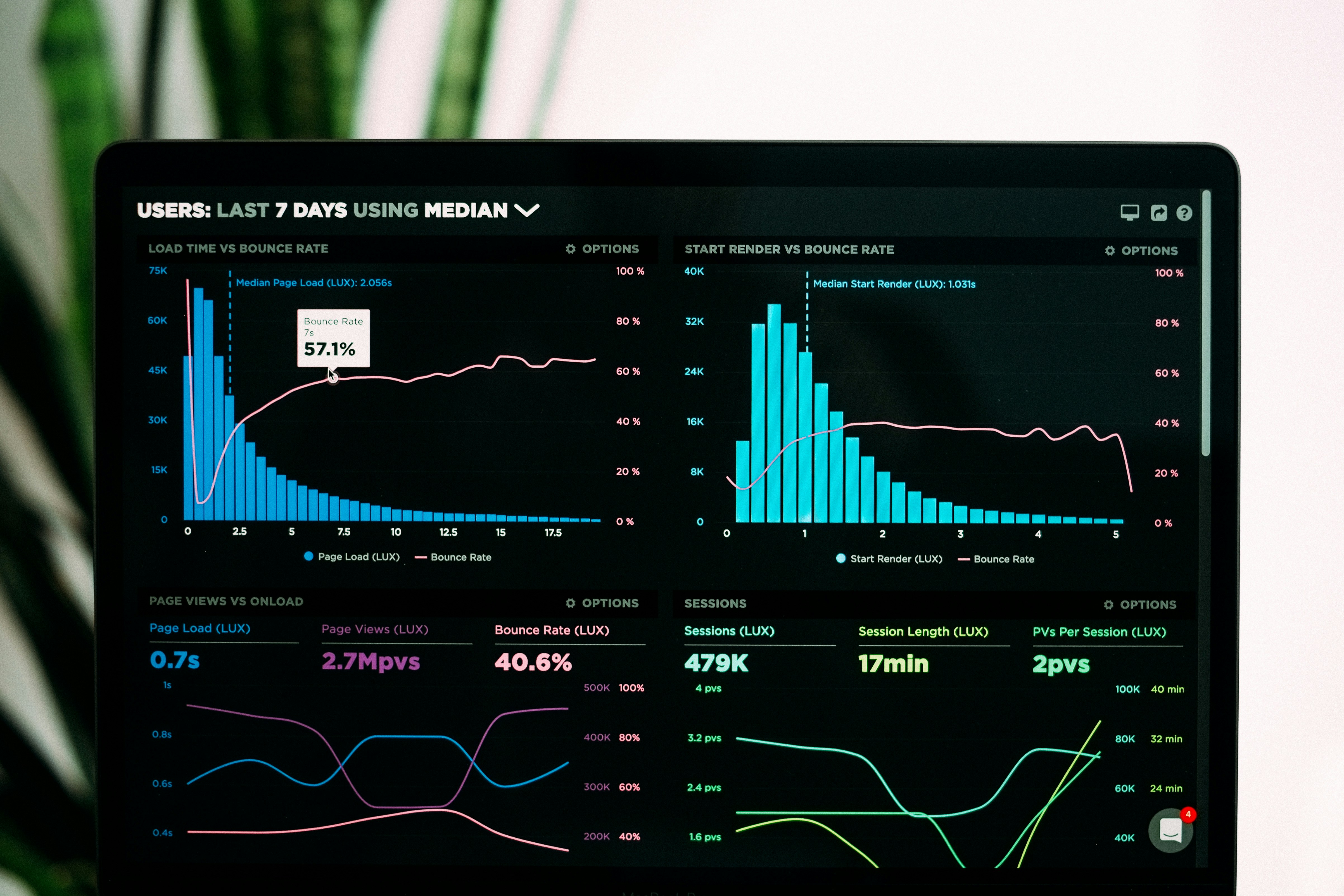
메타 태그를 하나하나 수정하는 작업이 시작이었습니다
첫 주에는 기본 중의 기본부터 손봤어요.
1. 메타 태그 다시 쓰기
기존에는 그냥 대충 "블로그 제목 - 부제목" 이런 식으로만 써놨더라고요. 이걸 완전히 갈아엎었어요.
- 타이틀 태그: 40-60자 사이로 맞추고, 핵심 키워드를 앞쪽에 배치
- 메타 디스크립션: 120-158자로 작성, 클릭하고 싶게 만드는 문구 추가
- 키워드 앞배치 전략: "방법", "후기" 같은 검색 의도 단어를 제목 앞부분에
예를 들어 이런 식이에요.
| 변경 전 | 변경 후 |
|---|---|
| 블로그 수익화 - 매일 한입 | 블로그 수익화 방법 3가지: 3개월 만에 월 50만원 달성한 후기 |
| AI 관련 포스팅입니다. | ChatGPT 활용법 5가지로 업무 시간 50% 단축한 실제 사례 (무료 템플릿 포함) |
2. 구조화 데이터(Schema Markup) 추가
이게 진짜 효과가 컸어요. JSON-LD 형식으로 Article 스키마를 모든 포스팅에 추가했어요. 구글이 내 글을 "뉴스 기사" 수준으로 인식하기 시작하더라고요.
<script type="application/ld+json">
{
  "@context": "https://schema.org",
  "@type": "Article",
  "headline": "포스팅 제목",
  "author": {
    "@type": "Person",
    "name": "작성자 이름"
  },
  "datePublished": "2026-01-15"
}
</script>
1주차 결과
정직하게 말씀드리면, 1주차에는 변화가 거의 없었어요. 구글 서치 콘솔에서 "처리 중"만 뜨더라고요. 참을성이 필요한 시기예요.
2주차: 내부 링크 구조 개선 & 이미지 최적화
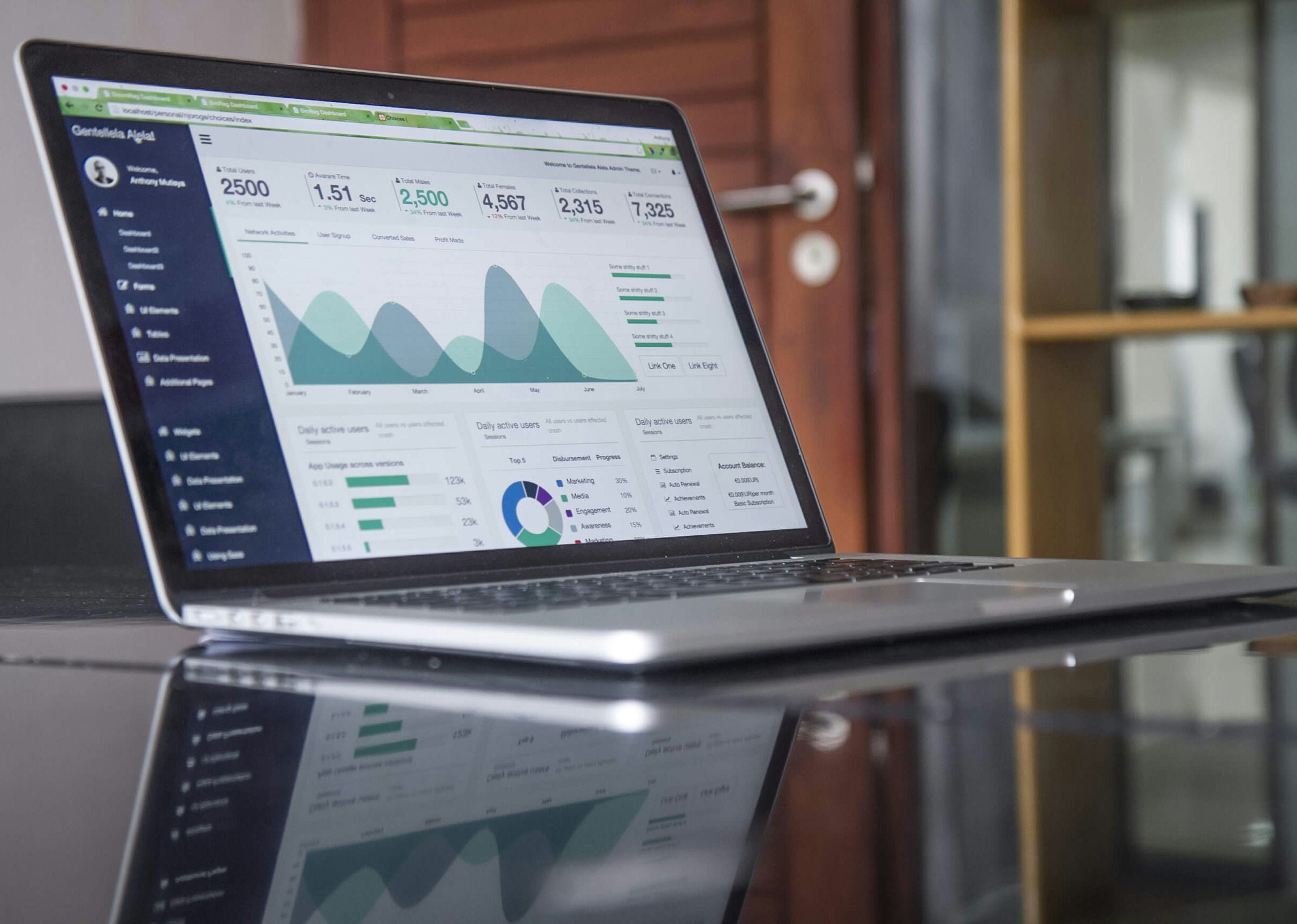
내부 링크를 전략적으로 배치하는 것이 핵심이었습니다
2주차부터 본격적으로 손이 많이 갔어요.
1. 내부 링크 전략적으로 깔기
기존 포스팅 50개를 전부 열어서 관련 글끼리 연결했어요.
- 한 포스팅당 최소 2-3개의 내부 링크 추가
- 앵커 텍스트에 키워드 자연스럽게 포함 (예: "이 방법"이 아니라 "ChatGPT 프롬프트 작성법")
- "시리즈" 형태로 묶을 수 있는 글들은 상단에 목차 박스 추가
이게 생각보다 효과가 좋았어요. 방문자가 한 페이지만 보고 나가는 게 아니라, 평균 2.3페이지를 보게 됐거든요. 구글이 "오, 이 블로그는 양질의 연관 콘텐츠가 많네?"라고 판단하는 것 같더라고요.
2. 이미지 최적화 (이게 진짜 중요)
블로그에 올린 이미지들이 용량이 너무 컸어요. 스마트폰으로 찍은 사진을 그냥 올렸거든요.
- 모든 이미지 WebP 포맷으로 변환 (TinyPNG 사이트 이용)
- 파일명을 "IMG_1234.jpg"에서 "chatgpt-prompt-example.webp"로 변경
- alt 텍스트 꼼꼼하게 작성 (검색 노출용)
실패한 시도도 솔직하게 공유
2주차에 "키워드 밀도 10%가 좋다"는 글을 보고 따라했다가 오히려 순위가 떨어졌어요. 구글이 키워드 스터핑으로 판단한 것 같더라고요. 자연스럽게 쓰는 게 답이에요.
2주차 결과
- 일 방문자: 30명 → 52명 (73% 증가)
- 페이지뷰: 35 → 120 (243% 증가)
- 평균 체류 시간: 42초 → 1분 38초
드디어 변화가 느껴지기 시작했어요!
3주차: 결과 분석 & 추가 최적화

3주차에는 구글 서치 콘솔 데이터를 매일 아침 체크했어요
Google Search Console 실제 데이터
| 지표 | 최적화 전 | 3주 후 | 변화율 |
|---|---|---|---|
| 총 노출 수 | 1,240회 | 8,920회 | +619% |
| 총 클릭 수 | 15회 | 142회 | +847% |
| 평균 CTR | 1.2% | 3.8% | +217% |
| 평균 게재순위 | 28.4위 | 12.7위 | 15.7위 상승 |
특히 클릭률(CTR)이 1.2%에서 3.8%로 오른 게 신기했어요. 메타 디스크립션을 매력적으로 쓴 게 먹혔나봐요.
추가로 발견한 것들
서치 콘솔 "실적" 탭에서 "노출은 많은데 클릭이 없는 검색어"를 찾았어요. 이런 키워드들은 제목이나 설명이 별로였던 거예요. 해당 포스팅 10개를 리라이팅했더니 다음날부터 클릭이 들어오기 시작했어요.
3주차 최종 결과
- 일평균 방문자: 30명 → 92명 (약 3배)
- 구글 유입 비율: 23% → 67%
- 블로그 체류 시간: 42초 → 2분 14초
4주차: GEO(생성형 엔진 최적화) 실험

ChatGPT Search, Perplexity, Google AI Overviews — 이제 AI가 검색 결과를 대신 읽어줍니다
3주차가 끝나고 저는 좀 더 욕심이 생겼어요. 구글 검색 최적화(SEO)는 어느 정도 궤도에 올랐으니, 이제 AI 검색 시대에 맞는 전략을 실험해보자고요.
GEO란 무엇인가요?
GEO는 Generative Engine Optimization, 즉 생성형 엔진 최적화예요. ChatGPT Search, Perplexity, Google AI Overviews, Claude처럼 AI가 직접 답변을 생성해주는 검색 엔진에 최적화하는 작업이에요.
기존 SEO와 GEO의 핵심적인 차이점이 있어요.
| 비교 항목 | SEO (구글 전통 검색) | GEO (AI 검색 엔진) |
|---|---|---|
| 목표 | 검색 결과 상위 노출 | AI 답변에 인용(citation)되기 |
| 평가 방식 | 링크, 키워드, 권위도 | 명확성, 직접 답변, 구조화 |
| 결과 확인 | 순위 및 클릭수 | AI가 내 글을 인용했는지 여부 |
| 최적화 단위 | 페이지 전체 | 단락, 문장 수준 |
AI 검색 엔진은 페이지를 "읽는" 방식이 달라요. 구글 봇은 링크 구조와 키워드를 중시하지만, AI 엔진은 직접적인 답변, 명확한 인용 근거, 구조화된 데이터를 찾거든요. 쉽게 말하면, AI가 "이 문장을 그대로 인용해도 되겠다"고 판단할 수 있는 글을 써야 해요.
제가 실제로 바꾼 것 5가지
1. 모든 포스팅 상단에 TL;DR / 핵심 요약 추가
AI 검색 엔진은 글의 첫 단락에서 핵심 내용을 찾아요. 그래서 모든 포스팅 맨 위에 "이 글 한 줄 요약"을 추가했어요.
**핵심 요약**: ChatGPT API를 활용해 자동화 스크립트를 만드는 방법을 3단계로 정리합니다.
비용은 월 $3 이하, 구현 시간은 2시간 내외입니다. (2026년 4월 기준)
이렇게 하면 Perplexity 같은 AI 검색이 내 글을 참조할 때 이 요약문을 그대로 인용할 가능성이 높아져요.
2. H2 헤딩을 "직접 답변형"으로 재작성
기존에는 "X란 무엇인가"처럼 질문 형식으로 헤딩을 썼는데, "X는 Y입니다"처럼 답변 자체를 헤딩으로 바꿨어요.
| 변경 전 | 변경 후 |
|---|---|
| ChatGPT API란 무엇인가 | ChatGPT API는 OpenAI의 언어 모델을 코드로 호출하는 인터페이스입니다 |
| 블로그 수익화 방법 | 블로그 수익화의 3가지 핵심 경로: 광고, 제휴, 디지털 상품 |
AI 엔진은 헤딩을 그대로 답변에 쓰는 경우가 많아요. 헤딩 자체가 답변이 되면 인용률이 올라가더라고요.
3. FAQ 섹션 추가 (Q&A 포맷)
AI 검색 엔진이 가장 좋아하는 형식 중 하나가 명확한 Q&A예요. 모든 포스팅 하단에 "자주 묻는 질문" 섹션을 추가했어요.
## 자주 묻는 질문 (FAQ)

**Q. ChatGPT API 무료 버전이 있나요?**
A. 2026년 현재 OpenAI는 무료 API를 제공하지 않습니다. 신규 가입 시 $5 크레딧이 주어지며, 이후 사용량 기반 과금이 적용됩니다.

**Q. 개인 블로거도 API를 사용할 수 있나요?**
A. 네, 신용카드 등록만 하면 누구나 사용 가능합니다. 월 $5-10 수준의 저비용으로 충분히 활용할 수 있어요.
Perplexity는 Q&A 구조를 특히 잘 인용해요. 실제로 이 변경 후 2주 뒤에 제 FAQ가 Perplexity 답변에 등장한 걸 확인했어요.
4. 모든 주장에 날짜/버전 명시
"ChatGPT는 GPT-4 모델을 사용합니다"보다 "ChatGPT는 2026년 4월 기준 GPT-4o 모델을 기본으로 사용합니다"가 AI 인용에 훨씬 유리해요. AI 엔진은 신뢰할 수 있는 정보인지 판단할 때 날짜 정보를 중요하게 봐요.
모든 글에서 시점이 있는 정보에는 반드시 "(2026년 4월 기준)" 같은 날짜를 붙이기 시작했어요.
5. 참고 자료 섹션 구조화
단순히 링크를 나열하는 게 아니라, 각 출처의 발행 기관과 날짜를 명시하는 방식으로 바꿨어요.
## 참고 자료
- [OpenAI API 가이드](https://platform.openai.com/docs) — OpenAI, 2026년 공식 문서
- [구글 AI Overviews 원리 설명](https://blog.google/...) — Google, 2025년 12월 발행
AI 엔진은 인용 출처를 사용자에게 보여줘야 해서, 출처가 명확한 글을 선호해요. 제 글이 출처를 명확히 달고 있으면, AI가 그 출처 체인의 일부로 포함시킬 가능성이 높아지거든요.
2주간의 GEO 실험 결과: 솔직하게
정직하게 말씀드릴게요. GEO는 SEO보다 결과가 훨씬 느려요.
2주 실험 기간 동안 제가 직접 Perplexity에서 블로그 주제 키워드를 검색해봤을 때:
- 첫 주: 내 블로그 글은 전혀 인용되지 않음
- 2주 후: 특정 FAQ 섹션이 있는 포스팅 1개가 Perplexity 답변에 인용되기 시작
Google AI Overviews에서는 2주 안에 뚜렷한 변화를 확인하기 어려웠어요. 다만, 서치 콘솔에서 "AI 개요" 관련 노출이 소폭 늘었다는 신호는 있었어요.
솔직한 평가: GEO는 3-6개월을 봐야 하는 장기 게임이에요. SEO가 "구글 알고리즘을 설득하는 것"이라면, GEO는 "AI가 신뢰할 수 있는 정보원으로 내 블로그를 학습시키는 것"에 가까워요. 빠른 결과를 원한다면 SEO에 집중하고, GEO는 지금부터 꾸준히 쌓아가는 전략으로 접근하는 게 맞아요.
GEO 체크리스트 (5가지)
새 글 발행 전 반드시 확인하세요.
- 핵심 요약 추가: 글 상단 3문장 이내로 "이 글이 답하는 것"을 명확히
- 직접 답변형 헤딩: H2/H3이 질문이 아닌 답변 형태인지 확인
- FAQ 섹션: 최소 3개의 Q&A 추가 (예상 검색 질문 기반)
- 날짜/버전 명시: 시점이 있는 모든 주장에 "(YYYY년 MM월 기준)" 표기
- 참고 자료 구조화: 출처명 + 기관명 + 발행 연도 함께 표기
SEO + GEO 통합 체크리스트
블로그 포스팅을 발행하기 전, 이 10가지를 확인해보세요. SEO와 GEO를 동시에 잡을 수 있어요.
| 항목 | SEO 이유 | GEO 이유 |
|---|---|---|
| 타이틀 태그 40-60자, 키워드 앞배치 | 검색 결과 CTR 향상 | AI가 제목에서 주제를 빠르게 파악 |
| 메타 디스크립션 120-158자 작성 | 클릭률 직접 영향 | AI Overviews 스니펫 소스로 활용됨 |
| H1-H2 계층 구조 정리 | 구글 크롤러 문서 이해 | AI가 섹션별 답변을 추출하기 용이 |
| 글 상단 TL;DR 요약 추가 | 체류 시간 및 이탈률 개선 | AI 인용 시 핵심 문장으로 사용됨 |
| 내부 링크 2-3개 이상 | 페이지 권위도 분산 | 관련 콘텐츠 간 신뢰도 연결 |
| 이미지 alt 텍스트 키워드 포함 | 이미지 검색 노출 | 접근성 향상으로 AI 읽기 품질 개선 |
| 구조화 데이터(Schema) 추가 | 리치 스니펫 노출 | AI가 글의 유형(기사/FAQ/How-to)을 인식 |
| FAQ 섹션 추가 | 지식 그래프 박스 노출 가능성 | AI 검색 인용률 가장 높은 형식 |
| 날짜/버전 명시 | 최신성 신호, 재크롤링 촉진 | AI가 정보 신뢰도 판단 시 우선 참조 |
| 참고 자료 출처 명시 | E-E-A-T(전문성) 신호 강화 | AI 인용 체인에 포함될 가능성 상승 |
개인적으로 가장 효과가 컸던 것
3주간 작업하면서 느낀 건데, **구조화 데이터(Schema Markup)**가 생각보다 엄청 중요하더라고요. 이거 넣고 나서 구글 검색 결과에 별점, 작성일, 썸네일이 풍부하게 표시되기 시작했어요. 당연히 클릭률이 올라갈 수밖에 없죠.
그리고 의외로 이미지 최적화도 큰 영향을 미쳤어요. 페이지 로딩 속도가 3.2초에서 1.1초로 줄어들었거든요. 구글이 "Core Web Vitals" 점수를 높게 줬더라고요.
예상 못 했던 발견도 있었어요. 리다이렉트 문제를 정리한 게 생각보다 임팩트가 컸어요. 구글 서치 콘솔에서 "리다이렉션 오류"로 잡혀 있던 URL 44개를 수정했는데, 그 다음 주에 크롤링 빈도가 눈에 띄게 올라갔거든요. 구글이 리다이렉트를 따라가면서 크롤링 예산을 낭비하고 있었던 거예요. 오류를 잡고 나니까 멀쩡한 페이지들이 훨씬 빨리 인덱싱됐어요.
또 하나, 타이틀 태그 수정의 효과가 빠르게 나타났어요. 메타 디스크립션 수정 후 평균 3-5일 안에 CTR 변화를 서치 콘솔에서 확인할 수 있었는데, 이게 체감 속도로 가장 빠른 변화였어요. 구조화 데이터나 내부 링크는 몇 주가 걸리는 반면, 타이틀/디스크립션은 "지금 당장 수정하면 이번 주 안에 효과 보는" 액션이에요. 급할수록 여기서 시작하세요.
앞으로 계속할 것
- 매주 구글 서치 콘솔 체크해서 노출 많은데 클릭 없는 글 찾기
- 신규 포스팅할 때부터 메타 태그, 스키마 마크업 세팅
- 월 1회 내부 링크 점검 (깨진 링크 없는지)
여러분은 어떤 SEO 작업이 가장 효과 있었나요?
댓글로 공유해주시면 다음 포스팅에 정리해서 올려드릴게요! 저도 계속 실험 중이거든요. 특히 "AI 검색 시대에 맞는 GEO(생성형 엔진 최적화)"도 테스트해보려고 해요. 블로그 운영하시는 분들, 같이 성장해봐요.
출처
- 구글 서치 콘솔 활용법 — codemshop, SEO 가이드
- SEO 가이드북 총정리 — seo.co.kr, SEO 실전 가이드
- Google SEO Starter Guide — Google, 공식 SEO 문서