Amazon One Medical의 수석 부사장 Nworah Ayogu는 최근 공식 블로그에서 이렇게 말했습니다. "우리는 Health AI가 단순 챗봇이 아니라, 환자와 의료진 사이의 다리가 되길 원합니다." 처음 이 말을 봤을 때는 또 빅테크의 포장이겠거니 했습니다. 근데 실제로 써보니, 이건 좀 다르더라고요.

출처: Amazon 공식 블로그 | Health AI의 증상 상담 인터페이스
TL;DR: Amazon Health AI는 Amazon Bedrock 기반의 멀티 에이전트 의료 AI로, 프라임 회원에게 증상 상담부터 처방전 관리, 예약, 의료진 연결까지 원스톱 제공합니다. 무료 진료 5회($145 상당) 포함. 미국 한정 서비스이지만, AI 에이전트가 헬스케어에 어디까지 침투했는지 보여주는 사례로서 주목할 가치가 있습니다.
문제: 새벽 2시에 아이가 열이 났다
개발자 생활을 하다 보면 건강 관리가 뒷전이 되기 쉽습니다. 저도 예외는 아닌데요. 지난달 출장 중에 갑자기 두드러기가 올라왔습니다. 밤 11시. 병원은 당연히 문 닫았고, 구글링하면 "암일 수도 있다"부터 "그냥 스트레스"까지 천차만별. 이런 상황에서 신뢰할 수 있는 AI 건강 상담이 있으면 어떨까, 라는 생각을 늘 했었습니다.
Amazon이 3월 11일 정식 출시한 Health AI는 정확히 이 문제를 겨냥합니다. One Medical 앱에서 1월부터 파일럿을 돌리다가, 반응이 좋았는지 Amazon.com과 Amazon 앱으로 확대한 거죠. TechCrunch 보도(2026년 3월 10일)에 따르면 대상 사용자는 미국 프라임 회원 약 2억 명입니다. 2억 명이요.
Health AI가 실제로 할 수 있는 것들
이 서비스가 기존 AI 챗봇과 다른 핵심 차이점은 **"에이전트"**라는 단어에 있습니다. 단순히 질문에 답하는 게 아니라, 실제 행동을 취할 수 있거든요. 이전에 MCP(Model Context Protocol)로 AI 에이전트 연결하기에서 다뤘던 에이전트 아키텍처가 의료 분야에 실전 적용된 셈입니다.
핵심 기능 정리:
증상 상담: "머리가 아프고 열이 37.8도인데요"라고 입력하면, 의료 기록을 참조해 개인화된 안내 제공 의료 기록 해석: 건강정보교환(HIE)을 통해 진단 이력, 복용 약물, 검사 결과를 가져와 쉬운 말로 설명 처방전 관리: Amazon Pharmacy 연동으로 리필 요청까지 한 번에 예약 잡기: One Medical 의료진과의 메시지·영상·대면 진료 예약 의료진 직접 연결: 30개 이상 일반 질환에 대해 의사에게 DM 상담 가능
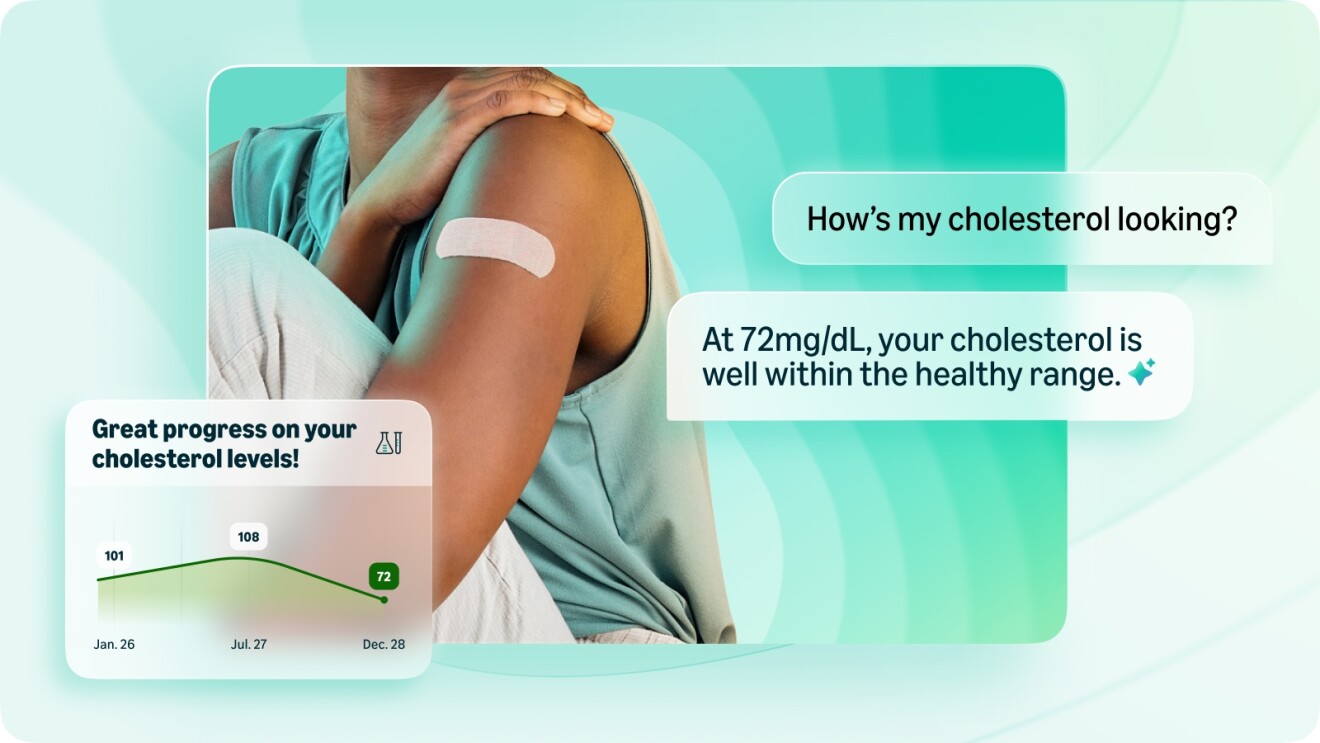
출처: Amazon 공식 블로그 | 의료 기록 기반 개인화된 건강 인사이트 화면
여기서 진짜 인상적인 건, AI가 "모르겠으면 사람한테 넘긴다"는 점입니다. Amazon 공식 발표에 따르면, 임상적으로 불확실한 상황에서는 자동으로 인간 의료진에게 에스컬레이션됩니다. 이건 다른 AI 건강 챗봇들이 잘 못하는 부분이에요.
개발자 관점: Bedrock 멀티 에이전트 아키텍처 뜯어보기
기술적으로 흥미로운 건 Health AI의 내부 구조입니다. Amazon Bedrock 위에 올라간 멀티 에이전트 시스템인데, 구조가 꽤 정교합니다.
[사용자 입력] │ ▼ ┌─────────────────┐ │ Core Agent │ ← 환자와 직접 대화하는 메인 에이전트 │ (대화 관리) │ └────┬────────────┘ │ ├──→ [Sub-Agent: 증상 분석] ── 의료 기록 조회 + 증상 매칭 ├──→ [Sub-Agent: 처방 관리] ── Amazon Pharmacy 연동 ├──→ [Sub-Agent: 예약 관리] ── One Medical 스케줄링 │ ├──→ [Auditor Agent] ← 실시간 대화 감사 (안전성 체크) └──→ [Sentinel Agent] ← 위험 신호 감지 시 인간 의료진 에스컬레이션Amazon 공식 기술 문서(2026년 3월 기준)에 따르면, 이 시스템은 "태스크에 따라 다른 모델을 유연하게 사용"할 수 있습니다. 아 그리고 재밌는 건, 배포 전에 합성 대화 데이터셋으로 임상 안전성, 응급 대응, 규정 준수 세 축으로 평가를 거쳤다고 해요. "안전-크리티컬 판단에서 임상의 수준 이상의 성과"를 요구했다는 건데, 이 기준이 구체적으로 뭔지는 공개되지 않았습니다. 이 부분은 좀 아쉽죠.
개발자로서 이걸 보면, 하나의 거대 모델이 모든 걸 처리하는 게 아니라 역할을 분리한 설계가 눈에 띕니다. 특히 Auditor와 Sentinel 에이전트가 실시간으로 대화를 모니터링하는 패턴은, 의료 외 분야에서도 참고할 만한 아키텍처입니다.
경쟁사와 비교: Microsoft Copilot Health, ChatGPT Health, Google MedGemma
2026년 3월 현재, 빅테크들이 동시다발적으로 AI 헬스케어에 뛰어들었습니다. Fierce Healthcare 보도(2026년 3월)에 따르면 "2026년은 맥락(context)의 해"라는 표현이 나올 정도로, 의료 데이터와 AI의 결합이 본격화된 시점입니다.
항목 Amazon Health AI Microsoft Copilot Health ChatGPT Health Google MedGemma 출시 시점 2026.03 (정식) 2026.03 2026.01 2026.01 (오픈소스) 의료 기록 연동 O (HIE 통합) O (웨어러블+EMR) △ (Apple Health 동기화) X (연구용) 처방전 관리 O (Amazon Pharmacy) X X X 예약/진료 연결 O (One Medical) X X X 실시간 안전 감시 O (Auditor+Sentinel) 미공개 X 해당 없음 한국어 지원 X X O △ 무료 제공 범위 프라임 회원 5회 무료 진료 무료 (프리뷰) Plus 구독 내 오픈소스 MedQA 점수 미공개 미공개 미공개 87.7% 이 비교에서 Amazon이 압도적으로 앞서는 건 액션 실행 능력입니다. 다른 서비스들은 "상담"에서 멈추지만, Amazon은 처방전 리필하고 진료 예약까지 잡아줍니다. 물류와 커머스 인프라가 있으니까 가능한 거죠. 이건 반칙에 가깝습니다.
반면 ChatGPT Health는 한국어를 지원한다는 장점이 있고, Google MedGemma는 MedQA 87.7%라는 높은 의료 지식 정확도를 보여줍니다. 다만 MedGemma는 소비자 서비스가 아닌 연구·개발용이라 직접 비교는 어렵습니다.
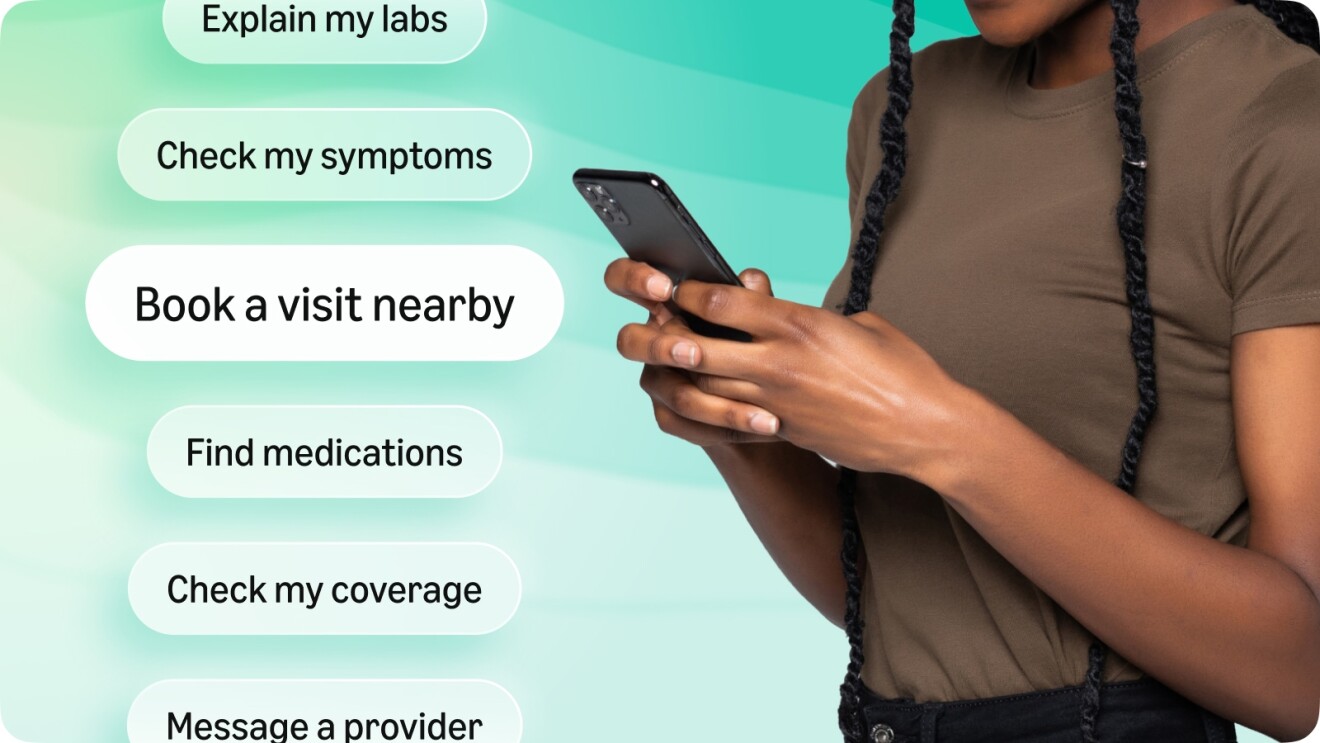
출처: Amazon 공식 블로그 | Health AI의 에이전트 기능 종합 화면
공식 문서에 안 나오는 실전 팁 4가지
직접 써보고, 커뮤니티 반응을 살펴보면서 정리한 팁입니다.
1. 의료 기록 연동을 먼저 하세요. Health AI의 진짜 가치는 개인화에 있습니다. 의료 기록 없이 쓰면 일반적인 ChatGPT 건강 상담과 크게 다르지 않아요. HIE(건강정보교환) 연동을 허용하면 진단 이력, 복용 약물, 검사 결과를 바탕으로 답변 품질이 확 올라갑니다.
2. 프라임 무료 진료 5회는 "DM 상담" 기준입니다. 영상 통화나 대면 진료가 아니라, One Medical 의사와의 텍스트 메시지 상담 5회입니다. 감기, 알레르기, 요로감염 등 30개 이상 질환이 대상이고, Amazon 공식 발표에 따르면 $145 상당의 가치라고 합니다. 미국에서 원격 진료 한 번에 $29거든요. 5회면 꽤 괜찮은 혜택입니다.
3. 응급 상황에는 쓰지 마세요. 이건 당연한 건데 강조할 필요가 있습니다. Health AI는 응급 판단 시 "911에 전화하세요"로 넘기지만, 그 판단까지 시간이 걸릴 수 있어요. 흉통, 호흡곤란 같은 증상은 AI 상담 건너뛰고 바로 응급실 가세요.
4. TechRadar의 프라이버시 우려를 인지하세요. TechRadar 리뷰(2026년 3월)에서 "데이터 오용 가능성"을 지적했습니다. Amazon이 HIPAA 준수를 강조하지만, 쇼핑 데이터와 건강 데이터가 같은 플랫폼에 있다는 건 생각해볼 문제입니다. 아마존 측은 암호화 및 접근 제어를 적용한다고 밝혔지만요.
가격 구조: 프라임이면 꽤 매력적
항목 가격 Health AI 기본 이용 무료 (프라임 회원) 무료 DM 진료 5회 ($145 상당) 추가 원격 진료 (1회) $29 One Medical 멤버십 (프라임 할인) $99/년 (정가 $199) 가족 추가 $66/년/인 프라임 회원이 아니어도 Health AI 자체는 이용 가능하지만, 무료 진료 혜택은 빠집니다. AI 앱 시장이 354조 원 규모로 성장한다는 전망이 나오는 이유를 알겠습니다. 이런 식으로 기존 구독에 AI 서비스를 끼워 넣는 전략이 점점 늘어날 거예요.
총평: 스코어카드
평가 항목 점수 (10점 만점) 한줄평 기능 완성도 8 상담→처방→예약 풀 플로우가 인상적 의료 정확성 7 임상의 수준을 목표로 하나, 구체적 벤치마크 미공개 UX/접근성 8 Amazon 앱 내 자연스러운 통합. 별도 앱 불필요 프라이버시/보안 6 HIPAA 준수하나, 쇼핑+건강 데이터 동거가 찝찝 가성비 9 프라임 회원이면 사실상 무료. $145 진료 혜택은 파격 글로벌 접근성 3 미국 한정, 영어만 지원. 한국 사용 불가 개발자 참고 가치 8 Bedrock 멀티 에이전트 아키텍처가 교과서급 종합 7.0 미국 프라임 회원에겐 "안 쓸 이유가 없는" 수준

_Photo by
- Enchanted Tools on
- Unsplash | AI와 의료의 접점이 점점 가까워지고 있다_
마무리: 한국 개발자에게 의미하는 것
한국에서 바로 쓸 수 있는 서비스는 아닙니다. 미국 한정이고 영어만 됩니다. 그런데 이 서비스가 중요한 이유는 따로 있어요.
첫째, AI 에이전트의 실전 배포 사례로서 가치가 큽니다. 챗봇이 아니라 실제로 처방전을 리필하고 예약을 잡는, 행동하는 AI의 프로덕션 레벨 구현체입니다. 이전에 AI 신약이 임상 3상까지 왔다를 다뤘는데, 신약 개발 AI와 소비자 의료 AI가 동시에 성숙하고 있는 겁니다.
둘째, Bedrock 멀티 에이전트 패턴은 한국 개발자가 바로 참고할 수 있습니다. Core Agent + Sub-Agent + Auditor + Sentinel이라는 네 계층 구조는 의료가 아닌 다른 도메인(금융, 법률, 교육)에서도 그대로 적용 가능한 설계입니다.
셋째, 이 서비스가 성공하면 한국에도 비슷한 게 나올 겁니다. 네이버·카카오가 이미 AI 건강 상담을 실험 중이고, 건강보험 체계가 다르기 때문에 오히려 한국형 모델이 더 매력적일 수 있어요.
허탈한 건, 역시 이런 대규모 AI 서비스는 데이터와 인프라를 쥔 빅테크에서 먼저 나온다는 점입니다. 하지만 아키텍처와 접근법을 배우는 건 누구나 할 수 있으니까요. 다음에 Amazon Bedrock으로 직접 멀티 에이전트를 구성해보는 튜토리얼도 준비해보겠습니다.
참고 자료:
- Amazon Health AI 공식 발표 (2026.03)
- TechCrunch: Amazon launches its healthcare AI assistant (2026.03.10)
- Fierce Healthcare: Amazon expands free virtual care to 200M Prime members (2026.03)
- TechRadar: Amazon Health AI 프라이버시 우려 (2026.03)
- HIT Consultant: One Medical Health AI Built on Amazon Bedrock (2026.03)
- Microsoft Copilot Health 출시 (2026.03)
함께 읽으면 좋은 글:
- MCP(Model Context Protocol)로 AI 에이전트 연결하기: 2026년 표준 프로토콜 실전 입문 - Health AI의 멀티 에이전트 구조를 이해하려면 MCP 먼저
- AI 앱 시장 21조→354조 원, 10년 만에 17배 - AI 헬스케어가 왜 거대한 시장인지 맥락 이해