AI 에이전트에게 "이 API 호출해서 데이터 가져와"라고 시켰는데, 에이전트가 알아서 결제까지 하고 결과를 가져온다면? 너무 먼 미래 이야기 같으신가요?
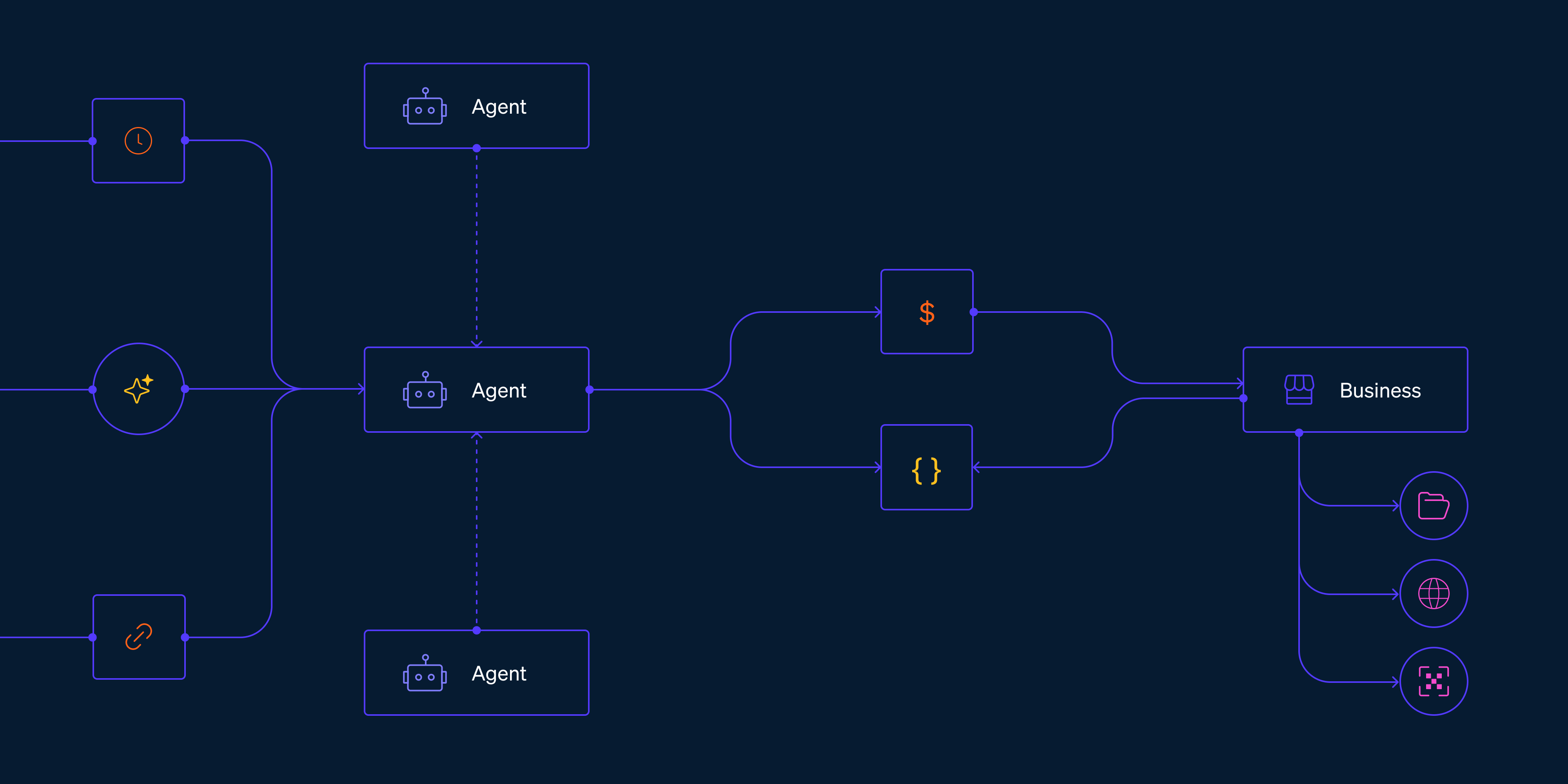
출처: Stripe 공식 블로그 | Stripe MPP 발표 소셜 이미지
근데 이게 2026년 3월 18일부터 현실이 됐습니다. Stripe가 Tempo와 함께 **Machine Payments Protocol(MPP)**을 공개했거든요. 한마디로, AI 에이전트 전용 결제 프로토콜입니다. 사람이 카드 번호 입력하고 결제 버튼 누르는 게 아니라, 에이전트가 HTTP 요청 하나로 결제를 끝내는 구조예요.
이 글에서는 MPP가 어떻게 작동하는지, 실제 코드로 어떻게 통합하는지, 그리고 Google AP2나 Coinbase x402 같은 경쟁 프로토콜과 뭐가 다른지까지 정리합니다.
TL;DR: MPP는 HTTP 402 응답 + 세션(OAuth for money) 기반의 에이전트 결제 프로토콜. Stripe 기존 인프라 위에서 스테이블코인·카드·BNPL 모두 지원. 몇 줄 코드면 통합 가능.
30년간 실패한 마이크로페이먼트, 왜 이번엔 다를까
마이크로페이먼트 자체는 새로운 개념이 아닙니다. 1990년대부터 "기사 한 건에 0.1달러씩 결제하는 시대가 온다"는 말이 있었는데, 결국 구독 모델이 이겼죠. 왜 실패했을까요? 결제 행위 자체가 귀찮으니까요. 0.1달러를 쓰기 위해 결제 버튼을 누르고, 카드 정보를 확인하고... 인간의 의사결정 비용이 결제 금액보다 컸습니다.
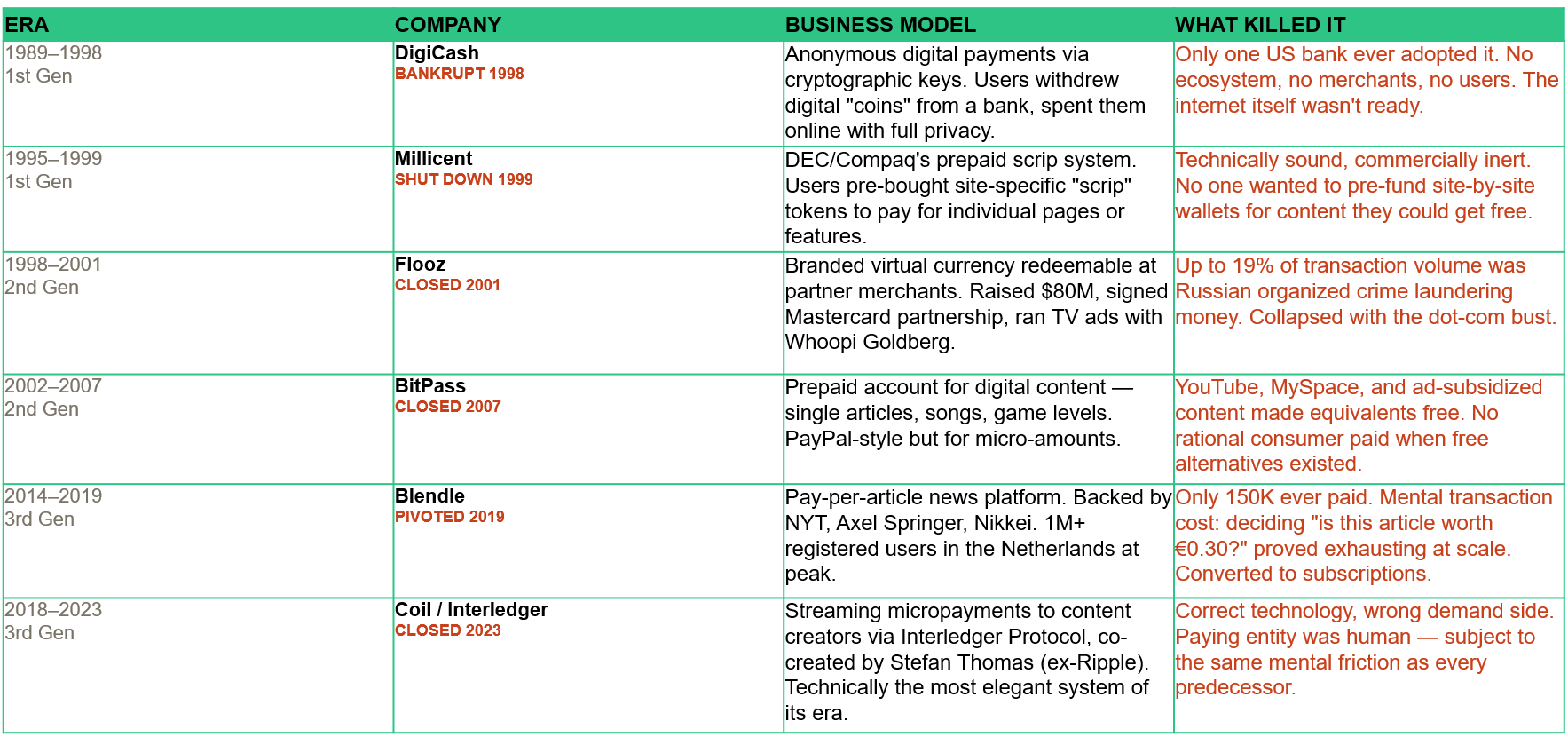
출처: Forrester | 마이크로페이먼트 전환점 분석
Forrester 분석가 Meng Liu가 정확히 이 점을 짚었습니다. "MPP is built for agents to pay — not humans." 결제 주체가 사람에서 AI 에이전트로 바뀌면, 의사결정 비용이 0이 됩니다. 에이전트는 "이거 비싸니까 좀 더 알아볼까..." 같은 고민을 하지 않거든요. 작업 완수에 필요하면 그냥 결제합니다. (2026년 3월 기준, Forrester 공식 블로그)
이전에 AI 에이전트 도입 현실: 기업의 8.6%만 프로덕션에서 다뤘듯이, 에이전트가 프로덕션까지 가려면 결제·인증 같은 인프라가 뒷받침되어야 합니다. MPP는 바로 그 빠진 퍼즐 조각인 셈이죠.
MPP 핵심 개념: HTTP 402와 '머니용 OAuth'
MPP의 작동 원리는 놀랍도록 단순합니다.
1단계: 에이전트가 유료 API 엔드포인트에 요청을 보냅니다.
2단계: 서버가 HTTP 402(Payment Required) 응답을 돌려보냅니다.
3단계: 에이전트가 결제를 승인하고 재요청합니다.
4단계: 리소스가 전달됩니다.
HTTP 402 상태 코드, 혹시 아시나요? 1990년대에 "나중에 쓰려고" 예약해둔 코드인데, 30년 만에 드디어 제 역할을 찾은 겁니다. 좀 감동적이기까지 하더라고요.
{ "type": "https://paymentauth.org/problems/payment-required", "title": "Payment Required", "status": 402, "detail": "Payment is required to access this resource.", "challengeId": "ch_abc123..." } 여기서 핵심은 세션(Session) 개념입니다. Stripe는 이걸 "OAuth for money"라고 부르는데, 비유가 정확합니다. OAuth가 "이 앱에 내 구글 계정 접근 권한을 줄게"인 것처럼, MPP 세션은 "이 에이전트에 N달러까지 결제 권한을 줄게"인 거예요. 에이전트가 한 번 승인받으면, 설정된 한도 안에서 마이크로페이먼트를 스트리밍합니다. 매번 승인 안 받아도 됩니다.
실전 코드: MPP 서버 통합하기
실제로 MPP를 내 서비스에 붙이려면 어떻게 해야 할까요? Stripe 공식 문서(2026-03-04 preview API 기준) 코드를 바탕으로 정리합니다.
스테이블코인(Tempo) 결제 수락
import { Mppx } from '@mppx/server'; import { tempo } from '@mppx/tempo'; const mppx = Mppx.create({ methods: [ tempo.charge({ currency: 'PATH_USD', // Tempo 네트워크의 USD 스테이블코인 recipient: recipientAddress, // 수령 지갑 주소 testnet: true, // 테스트넷 먼저! }), ], secretKey: process.env.MPP_SECRET_KEY, }); // Express 미들웨어로 적용 app.use('/api/premium', mppx.middleware());
카드·BNPL(SPT) 결제 수락
기존 Stripe 결제 수단도 SPT(Shared Payment Token)를 통해 지원합니다. 카드나 "지금 사고 나중에 결제" 방식 둘 다 가능해요.
import { stripe } from '@mppx/stripe'; const mppx = Mppx.create({ methods: [ stripe.charge({ paymentMethodTypes: ['card', 'link'], secretKey: process.env.STRIPE_SECRET_KEY, }), ], secretKey: process.env.MPP_SECRET_KEY, }); 코드가 정말 짧죠? 기존에 Stripe 결제를 써본 분이라면 10분이면 붙일 수 있을 겁니다. 근데 한 가지 주의할 점 — 현재 2026-03-04 preview API 버전이 필요합니다. 요청 시 Stripe-Version: 2026-03-04.preview 헤더를 설정해야 합니다. (2026년 3월 기준, Stripe 공식 문서)
테스트는 npx mppx CLI 도구로 간단하게 할 수 있고요. 라이브 모드로 넘어갈 때는 Stripe Profile(profile_ ID) 생성이 필요합니다.
이미 돌아가는 실전 사례들
"그래서 진짜 쓰는 데가 있어?"라는 질문이 당연히 나올 텐데, 이미 몇 군데가 MPP로 운영 중입니다.
서비스 용도 과금 방식 Browserbase AI 에이전트가 헤드리스 브라우저 실행 세션당 과금 PostalForm 에이전트가 실물 우편 인쇄·발송 건당 과금 Prospect Butcher Co. 에이전트가 샌드위치 주문 (뉴욕 픽업/배송) 주문당 과금 Stripe Climate 에이전트가 탄소 제거에 기여 금액 지정 에이전트가 샌드위치를 주문한다는 게 좀 웃기면서도 미래가 느껴지더라고요. "점심 뭐 먹지" 고민하는 시대가 진짜 끝날 수도 있겠다 싶었습니다.

_Photo by
- Towfiqu barbhuiya on
- Unsplash | AI 에이전트 결제 시대의 도래_
경쟁 프로토콜 비교: MPP vs AP2 vs x402
MPP만 있는 건 아닙니다. 에이전트 결제 프로토콜 시장은 이미 3파전 이상입니다.
프로토콜 주도 출시 결제 방식 특징 MPP Stripe + Tempo 2026.03 스테이블코인 + 카드/BNPL HTTP 402 기반, 세션 스트리밍 AP2 Google + 60개 파트너 2025.09 기존 결제 레일 PayPal·Mastercard 등 대형 파트너 x402 Coinbase (Base) 2025 온체인 스테이블코인 5천만 건 이상 처리 실적 ACP OpenAI + Stripe 2025.09 Stripe 결제 ChatGPT 내 쇼핑에 특화 제 판단을 말하자면 — 단일 승자는 없을 겁니다. Forrester도 같은 분석인데요, 프로토콜·신원 확인·지갑이 각각 다른 레이어를 형성하는 다층 생태계가 될 가능성이 높습니다. 개발자 입장에서는 MPP가 가장 진입장벽이 낮아요. 이미 Stripe 쓰고 있다면 몇 줄이면 되니까요.
참고로, Stripe는 MCP(Model Context Protocol) 서버도 제공합니다. MCP로 AI 에이전트 연결하기에서 다뤘던 MCP와 MPP를 결합하면, 에이전트가 도구도 쓰고 결제도 하는 완전한 자율 워크플로우가 가능해집니다.
주의할 점: 에이전트에게 지갑을 맡긴다는 것
한 가지 불안한 점이 있습니다. 에이전트에게 결제 권한을 주면, 과금 폭주(runaway spending)가 생길 수 있잖아요?
MPP는 세션에 **지출 한도(spending cap)**를 설정할 수 있어서 어느 정도 안전장치가 있습니다. 하지만 이건 사전에 한도를 잘 설계해야 한다는 뜻이기도 합니다. "일단 100달러 한도로 열어두지"라고 했다가, 에이전트가 반복 루프에 빠져서 100달러를 1분 만에 쓸 수도 있거든요.
Skyfire라는 스타트업은 이 문제를 풀려고 Know Your Agent(KYA) 프로토콜까지 만들었습니다. "이 에이전트가 누구 소유인지, 얼마나 신뢰할 수 있는지"를 인증하는 거예요. 에이전트 세계에도 KYC(본인 확인)가 필요한 시대가 온 겁니다. (2026년 3월 기준, Forrester 분석)
정리: 지금 당장 해볼 것
MPP는 아직 preview 단계이지만, 방향성은 명확합니다. AI 에이전트가 단순히 "답변하는 도구"에서 "행동하고 결제하는 주체"로 진화하고 있어요.
개발자로서 지금 할 수 있는 것을 정리하면:
**
-
Stripe MPP 문서 ** 읽고 테스트넷에서 npx mppx로 실습 내 API가 유료라면 MPP 미들웨어 붙여보기 — 에이전트 고객이라는 새로운 시장
-
mpp.dev 공식 사양 확인 — 오픈 프로토콜이라 Stripe 없이도 구현 가능 Google AP2, Coinbase x402도 함께 파악 — 결국 다중 프로토콜 지원이 필요할 가능성 저는 사이드 프로젝트 API에 MPP를 붙여보려고 합니다. 테스트넷이라 비용도 안 드니까요. 에이전트가 제 API의 첫 유료 고객이 될 수도 있겠다 싶으면, 좀 설레기도 합니다.
참고 자료:
-
Stripe 공식 블로그 - Introducing the Machine Payments Protocol (2026.03.18)
-
Stripe MPP 공식 문서 (2026.03 기준)
-
Forrester - Why Stripe's Machine Payments Protocol Signals a Turning Point For Micropayments (2026.03.22)
-
Fortune - Stripe-backed crypto startup Tempo releases AI payments protocol (2026.03.18)
-
PYMNTS - Stripe-Backed Protocol Lets AI Agents Transact Autonomously (2026.03)
-
Google Cloud Blog - Announcing Agent Payments Protocol (AP2) (2025.09)
더 읽어볼 만한 글:
- AI 에이전트 도입 현실: 기업의 8.6%만 프로덕션, 나머지 91.4%는 어디서 막혔나 - 에이전트가 프로덕션까지 가려면 무엇이 필요한지
- Ryt Bank: 메뉴 대신 AI 챗봇으로 은행 업무 - AI가 금융 서비스를 어떻게 바꾸고 있는지