AI 칩은 결국 NVIDIA가 다 가져간다 — 그게 지난 3년간의 상식이었습니다.
그 상식을 흔드는 S-1이 2026년 4월 17일 SEC에 제출됐습니다. Cerebras Systems의 IPO 신청서입니다. 숫자가 꽤 인상적입니다. 2025년 매출 $510M, Series H에서 $1B 투자 유치 후 밸류에이션 $23B, OpenAI와의 계약 규모는 "최소 $10B 이상"으로 알려졌습니다. CEO Andrew Feldman은 S-1 제출 직후 이렇게 말했습니다: "이 계약은 OpenAI의 추론 사업에서 NVIDIA를 몰아내는 것입니다."
과장처럼 들리지만, 숫자가 뒷받침합니다.
TL;DR
| 항목 | 내용 |
|---|---|
| S-1 제출일 | 2026년 4월 17일 |
| 상장 거래소 | Nasdaq (티커: CBRS) |
| 예상 밸류에이션 | $23B (Series H 기준) |
| 2025년 매출 | $510M |
| OpenAI 계약 규모 | $10B 이상 (추론 컴퓨팅) |
| 목표 상장 시기 | 2026년 5월 중순 |
| 핵심 기술 | 웨이퍼 스케일 엔진(WSE-3) |
| 이전 IPO 시도 | 2024년 (G42 투자 심사로 철회) |
1. Cerebras가 뭔데 이렇게 뜨나
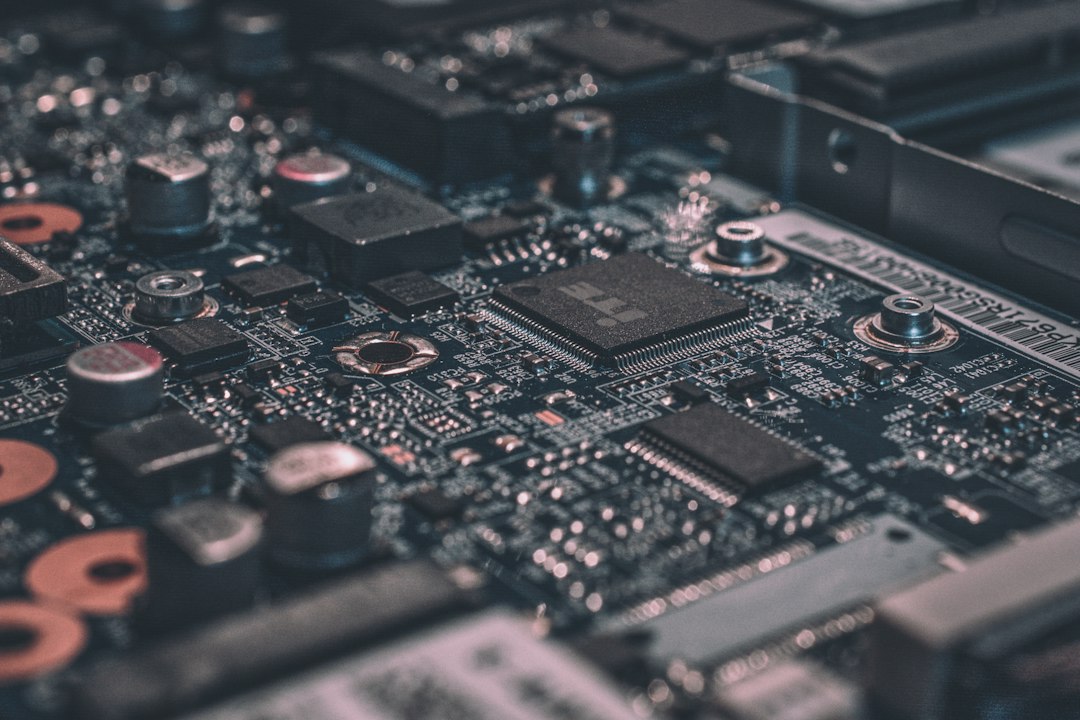
 출처: TechCrunch | Cerebras 웨이퍼 스케일 칩 생산 현장
Cerebras의 핵심 기술은 **웨이퍼 스케일 엔진(WSE)**입니다. 일반 GPU는 웨이퍼 하나에서 수십 개의 칩을 잘라내 씁니다. Cerebras는 다릅니다. 웨이퍼 한 장을 통째로 칩 하나로 씁니다.
WSE-3 기준으로 트랜지스터 4조 개가 단일 다이에 들어갑니다. H100 하나보다 메모리 대역폭이 압도적으로 넓고, 칩 간 통신 지연이 없습니다. AI 추론(inference) 워크로드에서 이 구조의 장점이 드러납니다. 대규모 언어 모델을 실시간으로 서빙할 때, 여러 GPU를 묶는 클러스터보다 단일 웨이퍼 칩이 지연 시간(latency) 측면에서 유리합니다.
저도 지난달에 WSE-3 스펙을 직접 분석한 글을 썼는데요. 그때만 해도 "4월 IPO 가능성"이 언급 수준이었는데, 이렇게 빠르게 실제 S-1 제출까지 왔습니다. 솔직히 좀 놀랐습니다.
2. S-1이 공개한 수치들: 인상적이지만 물음표도 있다
S-1에서 개발자가 주목할 부분은 OpenAI와의 관계입니다.
Cerebras의 2025년 매출 $510M 중 상당 부분이 OpenAI 관련입니다. S-1에는 OpenAI와의 Master Relationship Agreement가 명시돼 있고, OpenAI는 Cerebras에 $1B을 대출해줬으며 주식 매입 워런트(warrant)도 받았습니다. 두 회사는 사실상 깊이 엮인 구조입니다.
이게 장점도 되고 리스크도 됩니다.
장점: OpenAI가 AGI를 향해 달리는 한, 추론 컴퓨팅 수요는 계속 올라갑니다. Cerebras가 그 파이프라인에 연결돼 있다는 건 안정적인 수익원입니다. AWS와도 데이터센터 칩 공급 계약을 맺어 고객 다변화도 시작했습니다.
리스크: 특정 고객 의존도가 높으면 상장 후 주가 변동성이 커집니다. OpenAI가 내부 칩을 개발하거나(실제로 진행 중), 다른 인프라 파트너로 이동하면 어떻게 되나 — 그 질문에 S-1이 명확히 답하지는 않습니다.
AI 투자 흐름 전반에서 비슷한 흐름이 보입니다. Cursor가 불과 2주 전에 $50B 밸류에이션을 논의하더니 SpaceX가 $60B 인수 옵션을 확보했습니다. AI 인프라 전반에 걸쳐 자금이 몰리는 시기인 건 분명합니다.
3. NVIDIA를 대체할 수 있을까? 냉정하게 보면
여기서 한 발짝 물러서 봐야 합니다.
CEO가 "NVIDIA를 몰아낸다"고 했지만, 그건 추론(inference) 영역에서의 이야기입니다. 모델 훈련(training)에서 NVIDIA의 지위는 아직 건재합니다. H100, H200, 그리고 곧 나올 Blackwell 아키텍처까지 — NVIDIA의 CUDA 생태계는 10년 이상 쌓인 것입니다. 개발자가 PyTorch에서 cuda() 한 줄로 GPU를 쓰는 경험을 단기간에 대체하기는 어렵습니다.
Cerebras의 포지셔닝은 "모든 걸 대체"가 아니라 "추론에서 더 빠르고 낮은 지연으로" 입니다. 이 포지션이 맞는 워크로드에서는 진짜 경쟁력이 있습니다. ChatGPT처럼 수십억 명이 실시간으로 토큰을 받아야 하는 서비스라면, 지연 시간 1ms가 의미 있습니다.
전직 IPO 시도도 기억해야 합니다. 2024년에 한 번 S-1을 냈다가 Abu Dhabi 투자자 G42에 대한 연방 심사로 철회한 적이 있습니다. 이번에는 그 이슈가 해소됐지만, 지정학적 리스크는 AI 반도체 회사에 항상 따라붙습니다.
근데 이번엔 다른 게 있습니다. OpenAI의 $10B+ 계약이라는 레퍼런스가 있습니다. 이게 기관 투자자들을 끌어들이는 데 강력한 근거가 됩니다.
4. 개발자 입장에서 이 IPO가 의미하는 것

지금 당장 내 코드를 바꿀 필요는 없습니다. 그러나 중장기적으로 몇 가지 변화가 올 수 있습니다.
첫째, 추론 비용 경쟁이 본격화됩니다. Cerebras가 NVIDIA와 가격 경쟁을 밀어붙이면, 장기적으로 API 비용이 내려갑니다. OpenAI나 Anthropic이 추론 인프라 비용을 아끼면, 그게 결국 API 가격에 반영될 가능성이 있습니다.
둘째, CUDA 외 선택지가 넓어집니다. 지금까지 고성능 AI 추론은 사실상 CUDA 생태계에 묶여 있었습니다. Cerebras 같은 대안이 시장에서 인정받으면, 벤더 락인을 피하려는 기업들에게 선택지가 생깁니다.
셋째, 지금 당장 체감하긴 이릅니다. Cerebras API를 직접 쓰는 개발자는 아직 소수입니다. 이 IPO의 파급 효과는 인프라 레이어에서 오는 것이고, 애플리케이션 레이어 개발자에게는 1-2년 뒤에나 가격과 속도로 체감이 될 겁니다.
마무리: NVIDIA 독점 시대의 균열
AI 칩 시장이 NVIDIA 독점이라는 건 이미 흔들리고 있는 전제입니다.
Cerebras의 $23B IPO가 성공하면, 이건 단순한 한 회사의 상장이 아닙니다. 추론 인프라에서 NVIDIA 외 선택지가 실제로 성립할 수 있다는 시장의 판단이 됩니다. OpenAI의 $10B+ 베팅이 그 신호입니다.
물론 불확실성도 많습니다. OpenAI 의존도, 지정학적 리스크, NVIDIA의 반격. 이 회사가 상장 후 어떻게 되는지는 아무도 모릅니다.
다만 이 S-1은 읽어볼 가치가 있습니다. AI 인프라가 어떻게 짜이고 있는지, 그 판에서 어떤 베팅이 오가는지를 보려면요.
여러분은 Cerebras IPO가 AI 인프라 지형을 실제로 바꿀 것 같으신가요? 아니면 결국 NVIDIA 독주가 계속될 거라고 보시나요?
참고 자료
- AI chip startup Cerebras files for IPO — TechCrunch, 2026년 4월 18일
- Cerebras Systems Files for IPO After $23B Valuation and OpenAI Deal — The AI Insider, 2026년 4월 21일
- Cerebras IPO: $510M Revenue, $10B OpenAI Deal, $23B Valuation — Tech Insider, 2026년 4월 기준
- Inside Cerebras' IPO filing — Axios, 2026년 4월 20일
함께 읽으면 좋은 글:
- Cerebras WSE-3 스펙 총정리: 트랜지스터 4조 개·2026년 4월 IPO vs NVIDIA - WSE-3 기술 스펙과 NVIDIA 비교 심층 분석
- Cursor가 72조 원짜리 기업이 된 이유: ARR $2B·포춘 1000 기업 70% - AI 도구 스타트업 밸류에이션 폭등의 배경