핵심 요약 2026년 2월, Nvidia CEO 젠슨 황이 OpenAI에 대한 1,000억 달러 투자가 "절대 약속이 아니었다"고 공식 발언했습니다. 이는 단순한 기술 뉴스를 넘어 AI 산업의 자금 흐름, 기업 신뢰도, 그리고 한국 반도체 기업들의 전략까지 재편하는 신호탄이 될 수 있습니다.
사건의 본질: 약속에서 "선택지"로
황 CEO의 발언은 겉으로는 단순해 보입니다. "우리는 모든 투자 라운드를 개별적으로 검토할 것"이라는 뉘앙스죠. 하지만 이 말 뒤에는 2025년 말부터 불거진 OpenAI 펀딩 계획의 전면적 재검토가 숨어 있습니다. 처음 Nvidia가 발표한 투자 규모는 단순한 숫자가 아니었어요. 이건 마이크로소프트, 아마존과 함께 OpenAI를 "AI 산업의 표준 제공자"로 공식 인정하겠다는 신호였거든요. 그런데 이제 "약속 아님"이라고 하니, 시장에서는 이렇게 읽힙니다: "Nvidia는 OpenAI의 미래 가치를 확신하지 못한다."
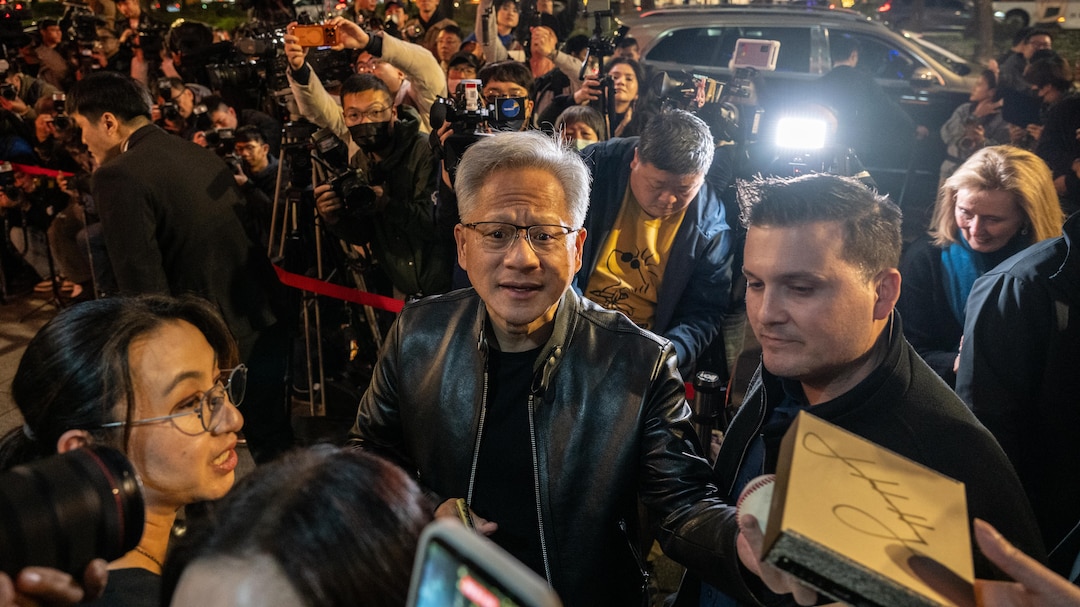
출처: NDTV Profit
왜 지금 이 발언이 나왔나: 역사적 맥락
2024년 말, AI 산업은 "대규모 자본 경쟁" 시대에 접어들었습니다. Google의 TPU, Amazon의 Trainium, Microsoft의 Maia 200 같은 자체 AI 칩 개발이 본격화됐거든요. 동시에 OpenAI는 자사의 GPT-5 개발을 위해 막대한 컴퓨팅 자원이 필요했고, Nvidia는 그 수요를 충족시키는 유일한 공급자였습니다. 그렇다면 Nvidia가 왜 1,000억 달러를 투자하려 했을까요? 단순히 "OpenAI를 돕기 위해"가 아닙니다. 이건 생태계 장악 전략이었어요. Nvidia가 OpenAI의 주요 투자자가 되면, 향후 OpenAI가 구매할 GPU 물량을 보장받을 수 있고, 경쟁사(Google, Amazon)가 OpenAI와 협력하기 어렵게 만들 수 있습니다. 말하자면 "AI 산업의 중심축을 Nvidia 중심으로 재편하겠다"는 의도였죠. 그런데 2026년 1월, 상황이 달라졌습니다.
2026년의 변수들: 왜 약속이 "약속 아님"이 되었나
1. OpenAI의 수익성 문제 OpenAI는 월간 약 300만 명의 ChatGPT Plus 유료 사용자를 보유했지만, 월 비용이 20달러(연 240달러)에 불과합니다. 반면 한 명의 사용자당 AI 인프라 비용은 월 3~5달러 수준이에요. 수익성이 악화되자 Nvidia도 투자 계획을 재검토하기 시작한 겁니다. Nvidia는 "OpenAI가 정말 이 자금을 활용해서 수익성 있는 비즈니스 모델을 만들 수 있을까?"에 대한 의문이 생긴 거죠. 2. 경쟁 구도의 변화 DeepSeek(중국)의 저비용 고성능 모델 출현, Google Gemini의 개선, Meta의 Llama 공개 등으로 OpenAI의 기술적 우위가 약해졌습니다. 투자의 수익성이 떨어지면 자본은 다른 곳으로 흐르게 됩니다. 3. Nvidia 자체의 펀딩 압박 Nvidia의 자본 지출은 2025년 기준 약 120억 달러 수준입니다. 1,000억 달러 투자는 이 규모의 8배입니다. 주주들도 "왜 우리 회사가 OpenAI에 이렇게 큰 돈을 쏟아야 하나?"라는 의문을 제기하기 시작했을 거고요.
한국 반도체 산업에 미치는 영향
이 뉴스가 한국과 무슨 상관이 있냐고요? 매우 큽니다.
구분 2025년 시나리오 2026년 현실 Nvidia의 위치 AI 인프라의 절대 강자, 투자자로서도 활동 순수 칩 공급자로 축소, 생태계 주도권 약화 AI 칩 수요 OpenAI 중심 집중 투자 Google, Amazon, Meta 등 분산 투자 SK하이닉스/삼성 기회 Nvidia 독점 시대, 진입 어려움 AI 메모리 다층화 기회 확대 구체적으로, Nvidia의 투자 축소 신호는 한국 기업들에게 이렇게 작용합니다: SK하이닉스의 HBM(고대역폭 메모리): 지금까지는 Nvidia H100/H200 기반 시스템에만 최적화된 제품을 만들었어요. 그런데 Google TPU, Amazon Trainium이 본격 확대되면, 이들 시스템에 맞는 메모리를 따로 개발해야 합니다. SK하이닉스는 이미 Google과 협력을 강화하고 있죠. 삼성전자의 파운드리: AI 칩 자체 설계 경쟁이 심화될수록, 설계 기업들은 신뢰할 수 있는 제조 파트너를 찾습니다. Nvidia의 위상이 약해지는 것은 삼성 파운드리의 고객 다각화 기회를 의미합니다.
필자의 판단: 이건 "AI 산업 민주화"의 신호
나는 Nvidia의 이 발언이 2026년 AI 산업의 분기점이 될 거라고 봅니다. 반대 관점도 있습니다: "Nvidia는 여전히 가장 강한 칩 공급자이고, OpenAI 투자 여부와 상관없이 GPU 수요는 계속 증가할 것"이라는 주장이죠. 맞는 말입니다. 하지만 수요의 "집중도"가 변한다는 게 핵심입니다. 지금까지 AI 인프라 투자는 OpenAI 중심이었어요. 하지만 앞으로는 Google, Amazon, Meta, Microsoft가 각각 자체 AI 모델 개발에 투자할 겁니다. 이는 Nvidia의 협상력을 약화시키고, 동시에 한국 기업들의 틈새 시장 진입 기회를 넓힙니다.
AI 개발자 관점: 이게 내 일상에 어떤 영향을 미치나
Nvidia의 "약속 아님" 발언은 반도체 투자자나 빅테크 CFO만의 이슈가 아니에요. AI API를 쓰는 개발자, 매달 LLM 비용 청구서를 받는 스타트업 팀원, 사이드 프로젝트로 AI 서비스를 만드는 1인 개발자 모두에게 직접 닿아 있습니다. 어떻게 닿아 있는지 같이 풀어볼게요.
GPU 접근 비용과 API 가격
Nvidia가 OpenAI 투자를 주저하기 시작했다는 건, AI 인프라 자금 흐름이 불안정해졌다는 뜻입니다. 이게 왜 API 가격과 연결되냐고요?
OpenAI, Anthropic 같은 회사들이 GPT-4o나 Claude를 싸게 제공할 수 있는 건, 대규모 투자금으로 GPU를 대량 확보해 규모의 경제를 만들었기 때문이에요. 그런데 그 투자 흐름이 흔들리면 어떻게 될까요? AI 기업들은 GPU 확보 비용 상승 압박을 받고, 그 압박은 결국 API 가격 인상 또는 무료 티어 축소로 이어질 수 있습니다.
실제로 2025년 하반기 이후 OpenAI는 여러 차례 가격 체계를 조정했고, Anthropic도 Claude 3 시리즈 이후 토큰당 비용이 달라졌죠. 이게 단순한 제품 업데이트가 아니라 인프라 비용 압박이 반영된 거라는 걸 알고 있으면, 앞으로 가격 변동을 더 예측 가능하게 볼 수 있어요.
개발자로서 실무적 함의는 명확해요. LLM API 비용을 단일 제공사에 의존하는 구조는 리스크입니다. Nvidia 투자 불확실성이 커질수록 특정 API 가격이 급격히 오르거나, 반대로 경쟁사가 더 저렴한 대안을 내놓는 상황이 더 자주 일어날 거예요. 비용 모니터링과 제공사 다각화가 이제는 선택이 아닌 기본기예요.
어떤 모델을 써야 하나
투자 불확실성이 주는 가장 중요한 개발자 교훈은 이겁니다. 특정 AI 제공사 하나에 시스템을 묶어두지 마라.
OpenAI API만 쓰는 코드베이스를 상상해보세요. 갑자기 가격이 3배 오르거나, 특정 모델이 deprecated되거나, 서비스 장애가 생겼을 때 대응이 얼마나 고통스러운지 아시잖아요. 반면에 처음부터 멀티-프로바이더 구조로 짜두면 이야기가 달라집니다.
실용적인 전략은 이래요. 기본 모델은 OpenAI GPT-4o 또는 Anthropic Claude를 쓰되, LLM 호출 레이어를 추상화해서 모델 교체가 설정 변경 수준으로 쉽게 만들어두는 거예요. LangChain, LiteLLM 같은 라이브러리가 이걸 도와줍니다. LiteLLM은 특히 100개 이상의 LLM을 단일 인터페이스로 호출할 수 있어서, 멀티-프로바이더 전환 비용을 크게 줄여줘요.
구체적인 멀티-프로바이더 조합 예시를 들면, 고품질 추론이 필요한 복잡한 태스크는 Anthropic Claude, 속도와 비용이 중요한 대량 처리는 OpenAI GPT-4o mini 또는 Google Gemini Flash, 민감한 데이터 처리나 오프라인 환경은 로컬 오픈소스 모델. 이런 식으로 용도별로 나눠두면 하나가 흔들려도 전체 서비스가 멈추지 않아요.
오픈소스 모델이 다시 매력적인 이유
Nvidia의 투자 불확실성, AI 기업들의 수익성 압박, API 가격 변동 가능성. 이 모든 게 합쳐지면 결론은 하나예요. 오픈소스 모델이 그 어느 때보다 매력적인 대안이 되고 있습니다.
Meta의 Llama 3.1/3.2 시리즈는 이미 많은 벤치마크에서 GPT-4 수준에 근접했어요. Mistral AI의 Mixtral은 특히 유럽 데이터 규정 준수가 필요한 환경에서 강점이 있고, 중국 Alibaba의 Qwen 시리즈는 한국어 처리 성능이 놀라울 정도로 좋아졌거든요.
오픈소스 모델의 현실적인 장점은 이래요. 인프라 비용만 내면 되니까 사용량이 많을수록 단가가 낮아지고, 데이터가 외부로 나가지 않아서 보안이 중요한 B2B 서비스에 적합하며, 특정 도메인에 파인튜닝해서 전문 성능을 높일 수 있어요. Ollama를 쓰면 로컬에서 Llama, Mistral, Qwen을 몇 분 안에 띄울 수 있고, Hugging Face의 Inference API로 클라우드에서 돌리는 것도 OpenAI API보다 훨씬 저렴하게 가능합니다.
저도 최근 프로젝트에서 OpenAI API 의존도를 줄이려고 Claude API를 추가했는데, 생각보다 마이그레이션이 쉬웠어요. 프롬프트 구조를 조금 조정하고 응답 파싱 부분만 손봤더니 같은 기능이 돌아가더라고요. 그 이후로 비용 최적화를 위해 Gemini Flash를 특정 단순 태스크에 붙이는 실험도 해봤는데, 생각보다 품질 차이가 크지 않았어요. "무조건 GPT-4o"가 아니라 "태스크별 최적 모델"을 찾는 습관이 중요하다는 걸 실감했습니다.
이번 달 바로 할 수 있는 액션 체크리스트:
- LiteLLM 또는 LangChain으로 LLM 호출 레이어 추상화하기 — 지금 당장 두 번째 제공사 API 키를 발급받아 failover 구조를 하나 만들어보세요
- Ollama로 로컬 모델 하나 띄워보기 —
ollama pull llama3.2하나면 로컬에서 무료로 LLM 실험 가능. 비용 없이 프로토타입 개발에 활용할 수 있어요 - 현재 LLM API 월 비용 추적 시스템 만들기 — LangSmith, Helicone, 또는 간단한 스프레드시트라도 좋아요. 비용 가시성이 없으면 최적화도 없어요
당신이 지금 할 수 있는 한 가지
만약 반도체나 AI 인프라 관련 주식을 보유하고 있다면, 이 뉴스를 단순히 "Nvidia 약세"로만 읽지 마세요. 대신 이렇게 재해석하세요: "AI 칩 시장이 Nvidia 독점에서 다층화 경쟁으로 전환되고 있다. Google TPU, Amazon Trainium 같은 ASIC 기반 시스템이 확대될 것이고, 이는 메모리, 패키징, 소재 등 주변 산업의 기회가 된다." SK하이닉스, 삼성전자뿐 아니라 포스코DX(반도체 소재), 한미반도체(패키징) 같은 기업들도 주목할 가치가 있습니다.
참고 기사
- OpenAI Investment Was 'Never A Commitment,' Nvidia's Huang Says - NDTV Profit
- Thương vụ "megadeal" 100 tỷ đ giữa OpenAI v Nvidia - Tinhte
- OpenAI ha bisogno di nuovi fondi - HWUpgrade
- Budget 2026: Industry welcomes measures to nurture local AI - Economic Times 당신은 이 변화가 정말 일어날 거라고 생각하나요? 아니면 Nvidia가 결국 OpenAI에 투자하면서 다시 원점으로 돌아갈 거라고 봅니까?