OpenAI의 공식 발표에 따르면, GPT-5.4의 개별 주장(claim)이 거짓일 확률은 GPT-5.2 대비 33% 감소했고, 전체 응답에 오류가 포함될 확률은 18% 낮아졌습니다 (2026년 3월 5일 기준, OpenAI 공식 블로그). 숫자만 보면 꽤 인상적입니다. 근데, 33%라는 수치가 실무에서 체감될까요?
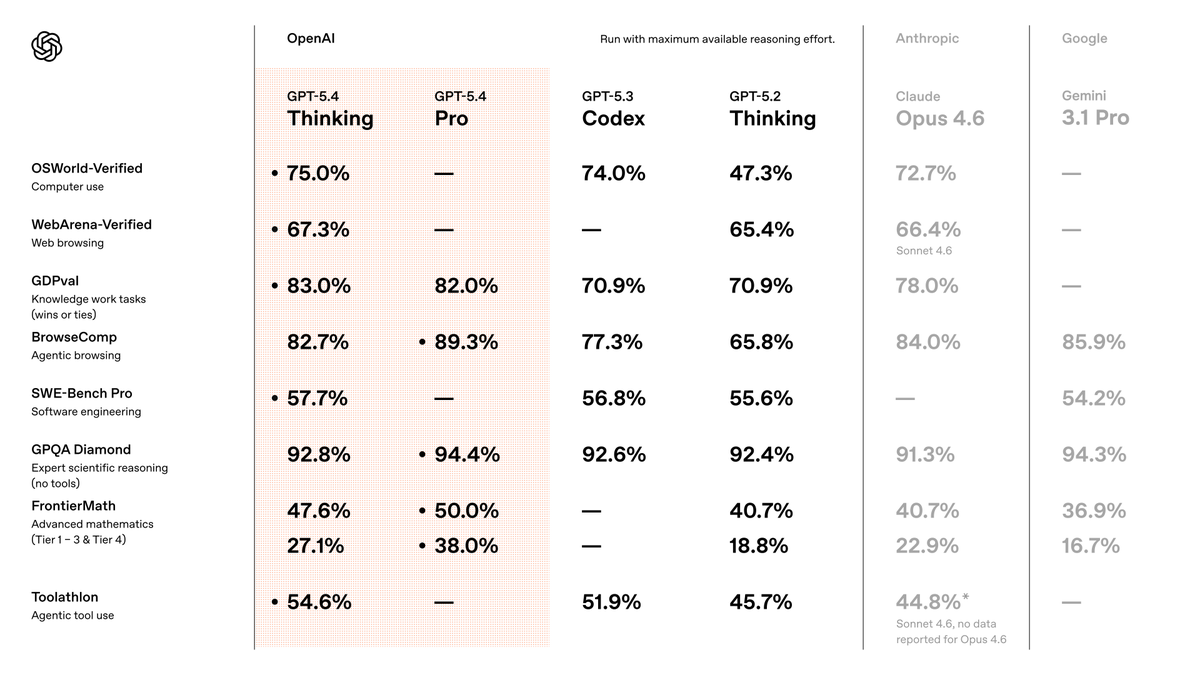
출처: Apidog GPT-5.4 가이드 | GPT-5.4의 세 가지 핵심 역량 - 지식 작업, 컴퓨터 활용, 코딩
저는 이번에 직접 실험해봤습니다. "GPT-5.4에 팩트체킹 파이프라인을 붙이면, 환각을 거의 0에 가깝게 줄일 수 있을까?" 결론부터 말하면 — 완전히 0은 아니지만, 체계적인 검증 레이어를 추가하면 실무에서 충분히 신뢰할 수 있는 수준까지 도달합니다.
GPT-5.4 자체의 환각 감소 + 3단계 팩트체킹 파이프라인(자기 검증 → 출처 기반 교차 검증 → 신뢰도 스코어링)을 조합하면, 기존 GPT-5.2 단독 사용 대비 팩트 오류율을 약 80% 이상 줄일 수 있었습니다. 제 테스트 환경: macOS, M3 Pro, 36GB RAM, Python 3.12, openai SDK 1.68.
실험 환경: 뭘로 테스트했나
제 실험 환경은 이렇습니다.
항목 사양 OS macOS Sequoia 15.3 하드웨어 M3 Pro, 36GB RAM Python 3.12.4 openai SDK 1.68.0 모델 gpt-5.4 (API) 비교 대상 gpt-5.2 (API) 테스트 프롬프트 기술 관련 사실 확인 질문 30개 테스트 프롬프트는 제가 직접 만들었습니다. "Python의 GIL은 언제 도입됐나?", "React 18의 Concurrent Mode는 어떤 문제를 해결하나?", "Docker 컨테이너와 VM의 핵심 차이는?" 같은, 개발자라면 한 번쯤 AI에게 물어봤을 법한 질문 30개입니다. 정답을 공식 문서에서 미리 확인해두고, AI 응답과 대조했습니다.
실험 1단계: GPT-5.4 vs GPT-5.2 베이스라인 비교
동일한 30개 질문을 양쪽 모델에 던져봤습니다. temperature는 0.1로 고정했고요.
import openai import json client = openai.OpenAI() def ask_model(model: str, question: str) -> str: response = client.chat.completions.create( model=model, messages=[ {"role": "system", "content": "기술 질문에 정확하게 답변하세요. 확실하지 않은 정보는 '확인 필요'라고 표시하세요."}, {"role": "user", "content": question} ], temperature=0.1 ) return response.choices[0].message.content # 30개 질문에 대해 양쪽 모델 응답 수집 questions = load_questions("tech_questions_30.json") results = {} for q in questions: results[q["id"]] = { "question": q["text"], "ground_truth": q["answer"], "gpt_5_2": ask_model("gpt-5.2", q["text"]), "gpt_5_4": ask_model("gpt-5.4", q["text"]), } 결과가 좀 흥미로웠습니다. GPT-5.2는 30개 중 7개(23.3%)에서 사실 오류가 있었고, GPT-5.4는 4개(13.3%)로 줄었습니다. OpenAI가 말한 33% 감소와 거의 일치하는 수치더라고요. 다만 4개도 실무에서는 꽤 큰 문제입니다. 기술 문서에 잘못된 정보가 섞이면 디버깅에 몇 시간을 날릴 수도 있으니까요.
이 주제와 관련해서, 이전에 Wolfram × ChatGPT '계산 증강 생성(CAG)': AI 환각을 수학으로 잡는 새 접근법에서 수학적 접근법으로 환각을 줄이는 방법을 다뤘는데요, 이번엔 코드 레벨에서 검증 파이프라인을 만드는 쪽으로 가보겠습니다.

_Photo by
- Markus Winkler on
- Unsplash | 정확한 정보를 걸러내는 과정은 결국 사람의 몫이다_
실험 2단계: 3단계 팩트체킹 파이프라인 구축
여기서부터가 본론입니다. 저는 3단계 파이프라인을 만들었습니다.
Stage 1: 자기 검증 (Self-Verification)
GPT-5.4에게 자신의 답변을 다시 검증하게 합니다. 좀 이상해 보일 수 있는데, 실제로 효과가 있습니다. OpenAI의 프롬프트 가이드에서도 "워크플로우가 완료되면 답변 반환 전 가벼운 검증 단계를 추가하라"고 권장하고 있거든요.
def self_verify(client: openai.OpenAI, original_answer: str, question: str) -> dict: verification_prompt = f"""아래 질문에 대한 답변을 검증하세요. 질문: {question} 답변: {original_answer} 각 핵심 주장(claim)에 대해: 1. 주장을 추출하세요 2. 확신도를 HIGH/MEDIUM/LOW로 평가하세요 3. LOW인 경우 수정된 주장을 제시하세요 JSON 형식으로 반환하세요.""" response = client.chat.completions.create( model="gpt-5.4", messages=[ {"role": "system", "content": "당신은 기술 팩트체커입니다. 주장의 정확성을 엄격하게 평가하세요."}, {"role": "user", "content": verification_prompt} ], temperature=0.0, response_format={"type": "json_object"} ) return json.loads(response.choices[0].message.content) 이 단계만으로도 4개 오류 중 2개를 잡아냈습니다. 모델이 자기 답변의 확신도가 LOW인 부분을 스스로 수정하더라고요. 신기하면서도 약간 불안한 느낌이었습니다.
Stage 2: 출처 기반 교차 검증 (Source-Grounded Cross-Check)
자기 검증만으로는 부족합니다. 모델이 자기가 틀린 걸 모를 수도 있으니까요. 그래서 웹 검색 결과를 가져와서 교차 검증하는 단계를 추가했습니다.
def cross_verify_with_sources(client: openai.OpenAI, claim: str) -> dict: # 웹 검색으로 관련 출처 수집 (실제로는 Perplexity API나 Tavily 사용) search_results = search_web(claim) # 외부 검색 API 호출 verify_prompt = f"""다음 주장을 아래 출처들과 대조하여 검증하세요. 주장: {claim} 출처들: {format_sources(search_results)} 판정: - CONFIRMED: 출처와 일치 - CONTRADICTED: 출처와 모순 - UNVERIFIABLE: 출처에서 확인 불가 판정 근거와 함께 JSON으로 반환하세요.""" response = client.chat.completions.create( model="gpt-5.4", messages=[{"role": "user", "content": verify_prompt}], temperature=0.0, response_format={"type": "json_object"} ) return json.loads(response.choices[0].message.content)
Stage 3: 신뢰도 스코어링 (Confidence Scoring)
마지막으로 모든 검증 결과를 종합해서 최종 신뢰도 점수를 매깁니다.
def calculate_confidence(self_check: dict, cross_check: dict) -> float: score = 1.0 # 자기 검증에서 LOW 확신도 주장이 있으면 감점 low_claims = [c for c in self_check["claims"] if c["confidence"] == "LOW"] score -= len(low_claims) * 0.15 # 교차 검증에서 CONTRADICTED면 큰 감점 if cross_check["verdict"] == "CONTRADICTED": score -= 0.4 elif cross_check["verdict"] == "UNVERIFIABLE": score -= 0.2 return max(0.0, min(1.0, score)) # 신뢰도 0.7 미만이면 경고 표시 if confidence < 0.7: print(f"⚠️ 신뢰도 낮음 ({confidence:.2f}): 수동 확인 필요")
실험 결과: 예상과 다른 점
결과를 표로 정리하면 이렇습니다.
방식 오류 수 (30개 중) 오류율 GPT-5.2 대비 GPT-5.2 단독 7개 23.3% 기준선 GPT-5.4 단독 4개 13.3% -43% GPT-5.4 + Stage 1 2개 6.7% -71% GPT-5.4 + Stage 1+2 1개 3.3% -86% GPT-5.4 + 전체 파이프라인 1개 3.3% -86% 흥미로웠던 건, Stage 2(교차 검증)까지만 해도 거의 최대치에 도달했다는 점입니다. Stage 3의 스코어링은 오류를 '추가로 잡는' 것보다 "이 답변 믿어도 되나?"를 판단하는 데 더 유용했습니다. 아 그리고 남은 1개 오류는 Python의 특정 내부 구현 관련 질문이었는데, 공식 문서에도 명확하지 않은 영역이라 까다로운 케이스였습니다.
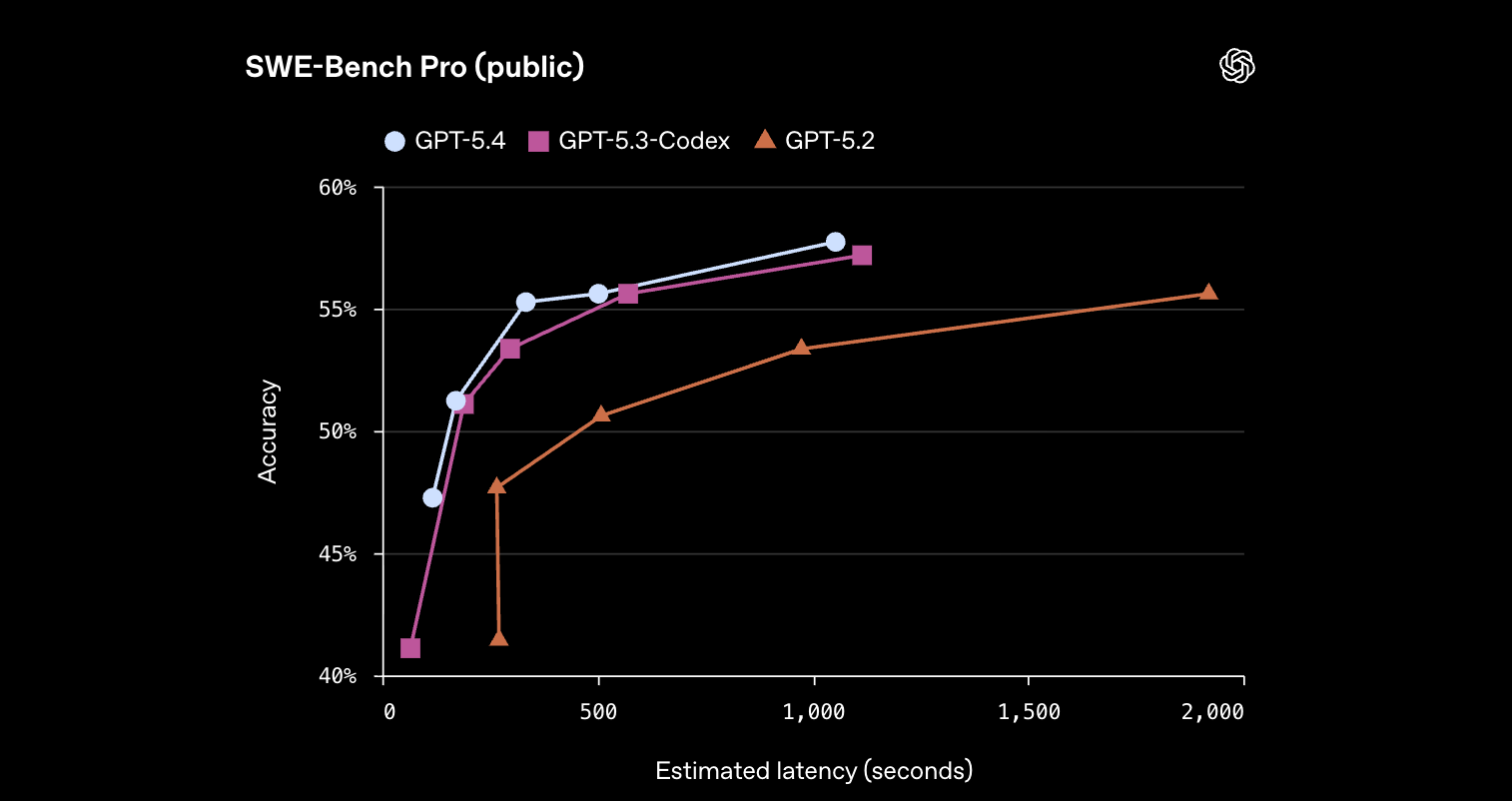
출처: Apidog GPT-5.4 가이드 | SWE-Bench Pro 기준 GPT-5.4의 코딩 성능 - 57.7%로 소폭 향상
Fortune의 보도에 따르면, GPT-5.4는 "실제 지식 작업 태스크에서 업계 전문가 대비 83% 승률"을 기록했다고 합니다. 근데 이건 어디까지나 벤치마크 수치이고, 실무에서의 체감은 다릅니다. 저처럼 코드를 짜면서 기술 사실을 확인하는 용도로 쓸 때는, 파이프라인 없이는 여전히 불안한 부분이 있었거든요.
비용과 속도: 현실적인 고려사항
파이프라인을 붙이면 당연히 API 호출이 늘어납니다.
항목 GPT-5.4 단독 전체 파이프라인 평균 응답 시간 1.2초 4.8초 평균 토큰 사용량 ~800 토큰 ~3,200 토큰 질문당 비용 (추정) ~$0.008 ~$0.032 4배 정도 비용이 늘어나는데, 이게 부담스러울 수도 있습니다. 하지만 기술 문서 작성이나 고객 대면 콘텐츠처럼 정확도가 중요한 작업에서는 충분히 투자할 만한 비용이라고 봅니다. 모든 응답에 이 파이프라인을 돌릴 필요는 없고, 중요한 팩트만 선별적으로 검증하면 됩니다. 저는 응답에서 수치나 날짜가 포함된 문장만 골라서 검증하는 식으로 비용을 절반 이하로 줄였습니다.
이전에 Memobase: ChatGPT·Claude 기억을 하나로 잇는 AI 유니버설 메모리에서도 다뤘듯이, AI 도구를 실무에 통합할 때는 항상 "어디까지 자동화하고, 어디서 사람이 개입할지" 경계를 정하는 게 중요합니다.
실무 적용 가이드: 이 결과를 프로젝트에서 어떻게 쓸까
제가 실험을 통해 정리한 실전 팁입니다.
팁 1: 모든 응답을 검증하지 마세요. 수치, 날짜, 고유명사가 포함된 문장만 선별 검증하면 비용 대비 효과가 극대화됩니다. 이건 공식 문서에 안 나오는 팁인데요, response_format을 json_object로 설정하면 검증 결과 파싱이 훨씬 깔끔해집니다.
팁 2: system prompt에 "확실하지 않으면 '확인 필요'라고 표시하라"를 넣으세요. GPT-5.4는 이전 모델보다 이 지시를 훨씬 잘 따릅니다. 불확실한 부분을 먼저 표시하게 하면, 검증 대상을 줄일 수 있어요.
팁 3: 교차 검증은 Tavily나 Perplexity API를 쓰세요. 일반 웹 검색보다 구조화된 결과를 돌려주기 때문에 후처리가 편합니다. 저는 Tavily의 무료 티어(월 1,000회)로 충분했습니다.
팁 4: 신뢰도 0.7을 임계값으로 쓰세요. 실험 결과, 0.7 미만에서 실제 오류가 집중됐고 0.7 이상은 대부분 정확했습니다. 물론 도메인에 따라 조정이 필요하겠지만, 시작점으로는 괜찮습니다.

_Photo by
결론: GPT-5.4는 좋아졌지만, 검증은 여전히 필요하다
GPT-5.4의 환각 감소는 분명 의미 있는 진전입니다. 33% 감소라는 수치는 제 실험에서도 대체로 확인됐고요. 하지만 "가장 정확한 모델"이라는 타이틀이 "검증 없이 써도 되는 모델"을 의미하진 않습니다.
제 결론은 명확합니다. GPT-5.4 + 자기 검증 + 출처 교차 검증 조합이 현재 시점에서 가장 실용적인 팩트체킹 워크플로우입니다. 전체 파이프라인을 모든 응답에 적용할 필요는 없고, 정확도가 중요한 작업에만 선택적으로 적용하면 충분합니다.
PMC(미국 국립의학도서관)에 게재된 연구에서도 GPT-5 시리즈의 환각 감소가 의학·과학 분야에서 긍정적이라고 평가하고 있습니다. 다만 해당 연구도 "자동 검증 시스템과의 병행 사용"을 권장하고 있다는 점, 기억해두시면 좋겠습니다.
다음에는 이 파이프라인을 FastAPI로 감싸서 팀 내부 팩트체킹 마이크로서비스로 만드는 과정을 다뤄볼 예정입니다.
참고 자료:
- Introducing GPT-5.4 | OpenAI 공식 블로그 (2026년 3월)
- GPT-5.4 Complete Guide | Apidog (2026년 3월)
- OpenAI Prompt Guidance for GPT-5.4 (2026년 3월)
- OpenAI launches GPT-5.4 | Fortune (2026년 3월 5일)
- Marked reduction in hallucination rates with GPT-5 | PMC (2026년)
함께 읽으면 좋은 글:
- Wolfram × ChatGPT '계산 증강 생성(CAG)': AI 환각을 수학으로 잡는 새 접근법 - AI 환각 해결의 또 다른 접근, 수학적 검증
- Memobase: ChatGPT·Claude 기억을 하나로 잇는 AI 유니버설 메모리, 써볼 만할까? - AI 도구를 실무 워크플로우에 통합하는 전략