은행 앱을 열었는데 메뉴가 없다면 어떨까요? 송금 버튼도, 잔액 조회 탭도, 설정 아이콘도 없는 은행 앱. 대신 텍스트 입력창 하나만 덩그러니 놓여 있습니다. "엄마한테 50만 원 보내줘"라고 치면 진짜로 송금이 되는 은행. 그게 말레이시아에서 실제로 돌아가고 있습니다.
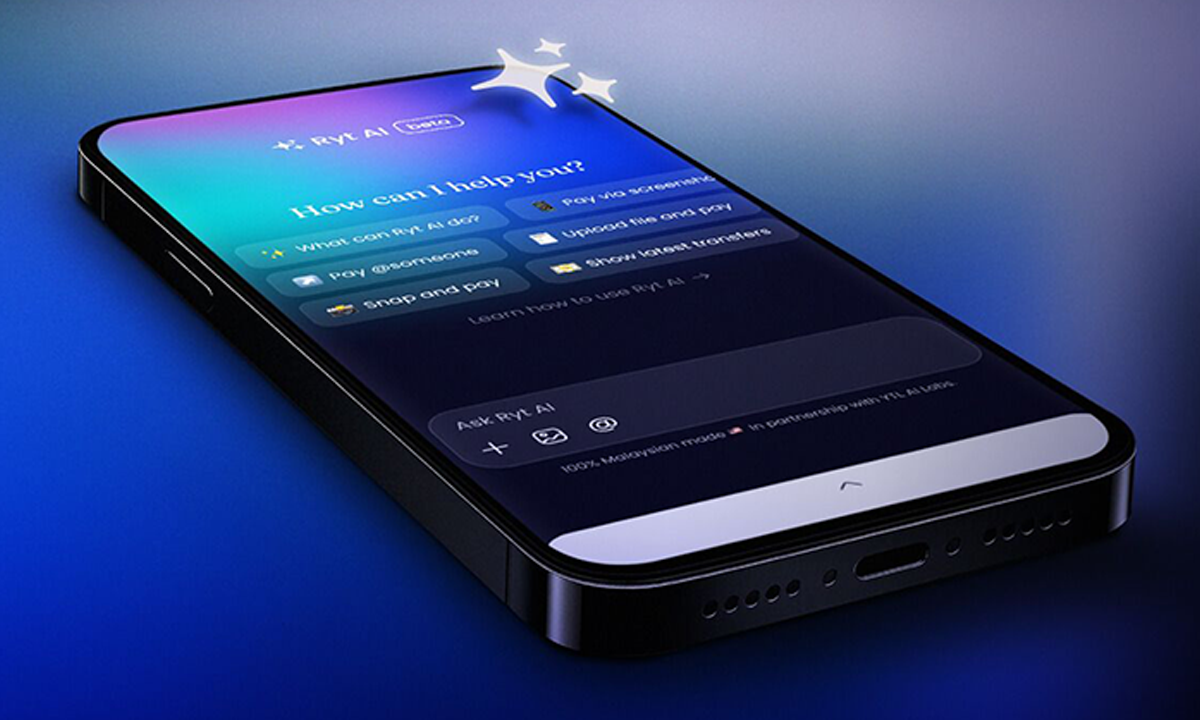
출처: PYMNTS.com | Ryt Bank의 AI 기반 대화형 뱅킹 인터페이스
Ryt Bank는 스스로를 "세계 최초 AI 기반 은행"이라고 소개합니다. 마케팅 문구가 아닙니다. 말레이시아 금융 규제 당국(BNM)이 대화형 AI를 핵심 뱅킹 거래의 기본 인터페이스로 승인한 최초 사례거든요. 현재 5만 명 이상의 사용자가 매달 약 8만 건의 거래를 AI 대화로 처리하고 있습니다 (2026년 3월 기준, PYMNTS.com 보도).
핵심 요약
Ryt Bank는 앱 메뉴를 완전히 AI 대화로 대체한 말레이시아 디지털 은행으로, 자체 개발 LLM 'ILMU'가 고위험 금융 거래에서 환각률 0.5% 미만을 달성하며 월 8만 건의 실거래를 처리 중입니다.
Ryt Bank가 뭔데? — 배경부터 짚고 가겠습니다
Ryt Bank는 말레이시아 대기업 YTL Group과 동남아 테크 대기업 Sea Limited(쇼피, 가레나의 모회사)가 합작해 만든 디지털 전용 은행입니다. 2025년 여름에 공식 출시됐고, 처음부터 "Chat-First"를 내걸었습니다.
근데 여기서 중요한 건, 그냥 챗봇을 하나 붙인 게 아니라는 점입니다. 기존 은행들이 "고객센터 챗봇" 수준으로 AI를 쓰는 것과 완전히 다른 접근이에요. Ryt Bank는 앱의 기본 UI 자체가 대화창입니다. 메뉴? 없습니다. 버튼? 최소한입니다. 모든 금융 행위를 자연어로 처리합니다.

모바일 뱅킹 앱의 진화 | 사진: Atlantic Money, Unsplash
가입도 2분이면 끝납니다. 생체인식 얼굴 인증으로 본인 확인을 하고, 말레이시아 예금보험공사(PIDM) 보호도 1인당 RM250,000(약 7,800만 원)까지 적용됩니다. 진짜 은행이에요. 장난감이 아닙니다.
이 모델이 흥미로운 이유는 Amazon Health AI 에이전트에서 다뤘던 의료 AI와 같은 맥락입니다. "고위험 도메인에서 AI가 실제 거래를 실행한다"는 것. 의료에 이어 금융까지, AI 에이전트가 단순 추천을 넘어 행동하는 단계로 넘어가고 있다는 신호죠.
ILMU — 자체 개발 LLM의 승부수
Ryt Bank의 핵심은 ILMU라는 자체 대형 언어 모델입니다. GPT나 Claude 같은 범용 모델을 가져다 쓴 게 아닙니다. YTL AI Labs에서 직접 만들었습니다.
왜 굳이 자체 개발을 했을까요? 말레이시아의 언어 환경 때문입니다.
말레이시아에서는 일상 대화에서 영어, 말레이어, 중국어를 한 문장에 섞어 씁니다. "Nak transfer RM500 to my mom's Maybank account"처럼요. 이걸 코드스위칭(code-switching)이라고 하는데, 기존 상용 LLM들은 이런 다국어 혼합 패턴에서 성능이 크게 떨어집니다. 그래서 ILMU를 말레이시아 대화 패턴에 특화시켜 훈련한 거죠.
인프라는 알리바바 클라우드 위에 구축했고, 플랫폼 전체를 약 6개월 만에 완성했다고 합니다 (2026년 3월 기준, PYMNTS.com). 6개월이라는 타임라인은 좀 놀랍습니다. 금융 규제까지 통과했다는 걸 감안하면요.
환각률 0.5% 미만 — 금융에서 이 숫자가 갖는 의미
여기서 제가 가장 주목한 수치는 환각률(hallucination rate)입니다.
ILMU는 약 2,000가지 대화 시나리오로 평가했을 때, 전체 환각률 1.5% 미만, 고위험 금융 거래에서는 0.5% 미만을 기록했습니다 (YTL AI Labs 연구 논문 기준, arXiv). 이게 왜 중요하냐면, 금융 거래에서 AI가 "환각"을 일으키면 돈이 잘못 가거든요. ChatGPT가 없는 논문 제목을 만들어내는 것과는 차원이 다른 문제입니다.

AI가 금융 거래의 정확성을 보장하는 시대 — Photo: BoliviaInteligente/Unsplash
물론 0.5%가 완벽한 건 아닙니다. 월 8만 건 거래 기준으로 400건 정도는 잠재적 오류 가능성이 있다는 뜻이니까요. 하지만 Ryt AI는 거래를 바로 실행하지 않습니다. 사용자의 요청을 해석하고, 거래를 준비한 뒤, 실행 전에 반드시 사용자 승인을 요청합니다. 이 "확인 단계"가 안전장치 역할을 합니다.
기존 뱅킹 챗봇과 뭐가 다른가 — 비교표
"은행 챗봇"이라고 하면 대부분 별로 좋은 기억이 없을 겁니다. "상담사 연결해주세요"를 10번은 쳐야 사람이 나오는 그 챗봇 말이에요. Ryt Bank는 근본적으로 다릅니다.
비교 항목 기존 은행 챗봇 Ryt Bank AI 역할 고객센터 보조 (FAQ 응답) 뱅킹 앱의 메인 UI 거래 실행 불가 — 링크 안내만 직접 실행 (송금, 결제, 조회) 언어 처리 단일 언어, 키워드 매칭 다국어 코드스위칭 자연어 이해 LLM 외부 API (GPT 등) 자체 개발 (ILMU) 규제 승인 보조 도구 (별도 승인 불요) 핵심 거래 인터페이스로 정식 승인 환각 관리 N/A (거래 미실행) 고위험 거래 0.5% 미만 24/7 지원 제한적 (업무시간 외 FAQ만) 완전한 24/7 거래 가능 PwC의 2026년 금융 AI 보고서에 따르면, CFO의 52%가 AI의 유동성 및 결제 타이밍 제안에 동의하고, 23%는 금융 워크플로우 자동화를 허용하고 있다고 합니다. Ryt Bank는 이 23%가 보고 있는 미래를 이미 현실로 만든 셈이죠.
개발자 관점에서 본 기술 아키텍처
개발자로서 눈여겨볼 포인트가 몇 가지 있습니다.
첫째, 도메인 특화 LLM의 가능성입니다. 범용 모델이 대세인 시대에 금융이라는 특정 도메인에 맞춰 자체 모델을 구축한 선택. 이건 "모든 문제에 GPT를 갖다 쓰면 되지"라는 생각에 대한 반례입니다. 특히 다국어 코드스위칭 같은 지역 특화 문제는 범용 모델로 해결하기 어렵습니다.
둘째, 에이전틱 AI의 실전 적용입니다. 요즘 에이전틱 AI 이야기가 많은데, 대부분 데모 수준이잖아요. Ryt Bank는 규제 승인까지 받고 실제 돈이 오가는 환경에서 에이전트를 돌리고 있습니다. AI 에이전트가 일하는 시대, 누가 책임질 것인가에서 다뤘던 책임 소재 문제가 금융 도메인에서 어떻게 풀리는지 보여주는 실제 사례입니다.
셋째, "확인 후 실행" 패턴. AI가 거래를 준비하되, 최종 실행은 사용자가 승인하는 구조. 이건 자율주행의 "Level 3" 같은 거예요. 완전 자율은 아니지만, 사람의 개입을 최소화하면서도 안전장치를 유지하는 절묘한 지점.
솔직한 평가 — 장점과 한계
평가 항목 점수 (10점) 한줄평 혁신성 9 메뉴 없는 뱅킹 UI는 업계 최초, 파격적 기술 완성도 8 자체 LLM + 낮은 환각률, 6개월 개발은 인상적 접근성 6 말레이시아 한정, 다국어 코드스위칭에 특화 확장 가능성 7 동남아 다국어 시장에 유리하나 글로벌 확장은 미지수 신뢰성/보안 8 규제 승인 + PIDM 보호 + 생체인증, 다만 0.5% 환각 리스크 존재 총점 7.6/10 "대담한 첫 발자국, 아직 증명할 게 남았다" 아쉬운 점도 분명합니다. 5만 명의 사용자는 개념 증명(PoC)으로는 충분하지만, 수백만 명 규모에서도 같은 품질을 유지할 수 있을지는 미지수입니다. 그리고 말레이시아 특화 모델이라는 건 강점이자 약점이에요. 한국에서 바로 쓸 수 있는 서비스는 아니니까요.
또 하나, 개인적으로 궁금한 건 "메뉴가 정말 없어도 괜찮은가"입니다. 저는 은행 앱에서 특정 기능을 찾을 때 메뉴를 훑는 게 오히려 빠를 때가 있거든요. "이 은행에 어떤 기능이 있는지" 파악하려면 대화보다 메뉴가 나을 수 있습니다. 모든 것을 대화로 해결하겠다는 건 사용자 교육 비용이 만만치 않을 거라는 생각이 듭니다.
이게 한국에 온다면?
Bernard Marr의 2026 뱅킹 트렌드 분석에 따르면, 글로벌 은행들이 AI 에이전트를 핵심 인프라로 도입하는 추세입니다. JPMorgan Chase, Capital One 같은 대형 은행들은 이미 AI를 적극 활용 중이고, BFSI(은행·금융·보험) 기업의 43%가 AI를 필수적이라고 답했습니다.
한국은 어떨까요. 카카오뱅크, 토스가 모바일 뱅킹의 UX를 크게 혁신했지만, 아직 AI 대화를 메인 인터페이스로 쓰는 곳은 없습니다. 규제 환경이 다르기도 하고, "대화로 송금"이라는 패러다임이 한국 사용자에게 익숙하지 않기도 하겠죠.
하지만 방향은 분명합니다. AI 앱 시장이 10년 만에 17배 성장하고 있는 흐름 속에서, 금융 AI는 가장 큰 파이 중 하나입니다. Ryt Bank의 실험이 성공하면, 2-3년 안에 비슷한 모델이 한국에도 등장할 가능성이 높습니다.
마무리 — 메뉴 없는 은행이 의미하는 것
Ryt Bank가 증명하려는 건 단순한 기술 데모가 아닙니다. "AI가 UI를 대체할 수 있다"는 명제를 금융이라는 가장 보수적인 영역에서 검증하고 있는 거예요. 메뉴, 버튼, 네비게이션 — 우리가 당연하게 여기던 앱 설계의 기본 전제를 흔들고 있습니다.

금융 서비스의 미래는 대화에 있을지도 모릅니다 (Photo by CardMapr.nl on Unsplash)
제 결론은 이렇습니다. Ryt Bank는 아직 작습니다. 5만 명, 월 8만 건. 하지만 이 실험이 갖는 상징성은 큽니다. 금융 규제 당국이 AI 대화를 "공식 거래 인터페이스"로 인정했다는 것. 이건 기술이 아니라 제도의 변화입니다. 그리고 제도가 바뀌면, 기술은 폭발적으로 따라옵니다.
개발자로서 주목할 건, 이 흐름이 금융에만 머물지 않을 거라는 점입니다. 의료, 법률, 교육 — 전통적으로 "버튼 UI"가 지배하던 도메인마다 "대화 UI"가 진입하고 있습니다. 다음에 앱을 설계할 때, "메뉴가 정말 필요한가?"라는 질문을 한 번쯤 던져보시는 건 어떨까요.
참고 자료
- Chat-First Finance: Malaysia's Ryt Bank Replaces Menus With AI — PYMNTS.com, 2026년 3월
- Ryt Bank taps agentic AI for conversational banking — Computer Weekly, 2026년
- Banking Done Right: Redefining Retail Banking with Language-Centric AI — YTL AI Labs 연구 논문, arXiv
- Ryt Bank 공식 사이트
- The 7 Banking And Fintech Trends That Will Define 2026 — Bernard Marr
- How AI Is Reshaping Banking — PwC 2026 보고서
함께 읽으면 좋은 글:
- Amazon Health AI 에이전트: 프라임 회원 전용 AI 주치의, 의료 AI 서비스의 새 기준 - AI 에이전트가 의료 분야에서 실제 행동하는 사례
- AI 앱 시장 21조→354조 원, 10년 만에 17배: 개발자가 지금 올라타야 할 골드러시 - AI 앱 시장의 폭발적 성장과 기회