Oracle이 AI 데이터센터 구축을 위해 최대 3만명의 대규모 정리해고를 검토하고 있다는 보고서가 나왔습니다. 이는 Oracle 전체 직원의 약 20%에 해당하는 규모로, IT 업계 역사상 가장 충격적인 AI 투자 방식이 될 전망입니다.
근데 이 숫자 좀 이상하지 않아요?
TD Cowen의 보고서에 따르면 Oracle은 OpenAI와의 계약을 위해 5년간 무려 1,560억 달러(약 220조원)의 자본 지출이 필요하다고 했어요. GPU만 300만 개가 필요하다는 거거든요. 진짜요. 300만 개 GPU면 현재 전 세계 AI 데이터센터에 설치된 GPU 수보다도 많은 수준이에요. 근데 이걸 Oracle 혼자서 구축하겠다고? 좀 놀랐어요. 더 웃긴 게요, Oracle이 2만-3만명을 정리해고해서 절약할 수 있는 돈이 연간 80-100억 달러라는 계산인데, 이건 전체 필요 자금의 5% 정도밖에 안 돼요. 나머지 95%는 도대체 어디서 구할 생각인지 궁금하거든요.
여기서 반전
Oracle의 상황을 좀 더 들여다보면, 이게 단순한 비용 절감이 아니라는 걸 알 수 있어요. 회사의 부채가 급증하고 있고, 채권 보유자들은 이미 소송까지 제기한 상태거든요. Oracle이 AI 인프라 구축을 위해 상당한 추가 부채 발행이 필요하다는 사실을 숨겼다는 이유로요. 더 심각한 건 Oracle의 신용 부도 스와프(CDS) 비용이 작년 12월 5년 만에 최고치를 기록했다는 점이에요. 시장이 Oracle의 재정 안정성에 대해 의심하기 시작했다는 뜻이죠. 그런데 말이에요, Oracle CEO 래리 엘리슨이 2026년에 450-500억 달러를 조달하겠다고 발표했는데, 이마저도 필요 자금의 3분의 1 정도밖에 안 돼요. 채무와 자기자본 조달을 조합한다고 했지만, 구체적인 계획은 여전히 불분명해요.
잠깐, 한국 얘기 좀 할게요
이 상황이 한국 IT 업계에 미칠 영향도 만만치 않을 것 같아요. Oracle은 한국에서도 상당한 사업을 하고 있는데, 글로벌 차원의 대규모 구조조정이 진행되면 한국 지사에도 여파가 미칠 수밖에 없거든요. 특히 한국의 Oracle 파트너사들과 시스템 통합업체들에게는 직접적인 타격이 예상돼요. Oracle 솔루션을 기반으로 사업을 해온 중소 IT업체들이 가장 먼저 피해를 볼 가능성이 높아요. 반대로 볼 게 있는데요, Oracle이 이런 극단적인 선택을 하고 있다는 건 AI 데이터센터 시장의 경쟁이 얼마나 치열한지를 보여주는 거예요. 아마존 AWS, 마이크로소프트 Azure, 구글 클라우드와 경쟁하려면 이 정도 투자는 해야 한다는 판단인 거죠.
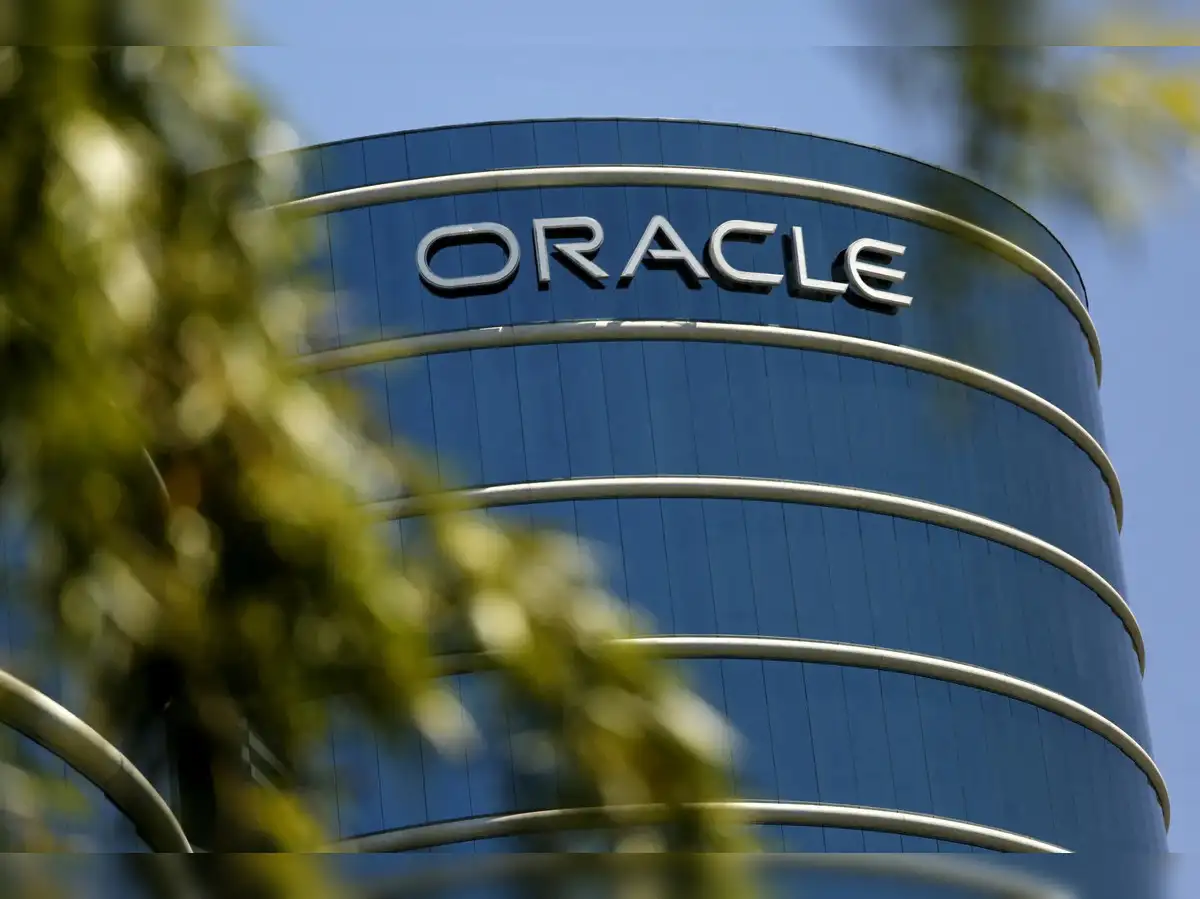 출처: Economic Times
이게 말이 돼요?
Oracle의 이번 계획은 너무 무모해 보여요. AI 붐에 편승하려다가 회사 전체를 위험에 빠뜨리는 건 아닌지 의심스럽거든요. 첫 번째로, 3만명 정리해고는 Oracle의 핵심 역량까지 훼손할 수 있어요. 데이터베이스와 기업 소프트웨어는 여전히 Oracle의 주력 사업인데, 이 부문의 인력까지 줄인다면 기존 고객들의 반발이 클 것 같아요. 두 번째로, AI 데이터센터 시장은 이미 포화 상태에 가까워요. 엔비디아가 Apple을 제치고 TSMC의 최대 고객이 됐다는 건, 그만큼 AI 칩 공급이 빠듯하다는 뜻이에요. Oracle이 300만 개 GPU를 확보할 수 있을지도 의문이죠. 세 번째로, OpenAI 자체가 수익성을 증명하지 못한 상태라는 점이에요. ChatGPT가 인기가 많긴 하지만, 막대한 운영비용을 감당할 만큼 수익을 내고 있는지는 확실하지 않거든요. 하지만 Oracle 입장에서는 선택의 여지가 많지 않을 수도 있어요. 클라우드 시장에서 뒤처진 상황에서, AI라는 새로운 기회를 놓치면 정말 끝일 수도 있으니까요. 도박이긴 하지만, 안 하면 서서히 죽는 거고, 하면 살 가능성이라도 있는 거죠. Oracle의 주가 반응도 흥미로워요. 이런 충격적인 뉴스에도 불구하고 주가가 크게 떨어지지 않았다는 건, 시장이 이 계획에 대해 어느 정도 긍정적으로 보고 있다는 의미일 수도 있어요. 아니면 아직 소화가 안 된 걸 수도 있고요. 결국 Oracle의 이번 결정이 성공할지 실패할지는 몇 년 후에나 알 수 있을 것 같아요. 하지만 확실한 건, IT 업계 전체가 AI 때문에 완전히 재편되고 있다는 거예요. 전통적인 소프트웨어 회사들도 AI 회사가 되거나, 아니면 도태되거나 둘 중 하나를 선택해야 하는 시대가 온 것 같아요.
개발자로서 이 뉴스를 읽는 법
저는 이 뉴스를 처음 봤을 때 "Oracle 주가 어떻게 되나?" 보다 "나는 지금 어디 있나?"를 먼저 생각했어요. Oracle의 대규모 구조조정과 AI 전환 베팅은 단순한 기업 뉴스가 아니라, 우리 개발자 한 명 한 명의 커리어 방향성에 직접 닿아 있거든요. 어떤 포지션에 계시든 한번 같이 생각해봐요.
Oracle 기술 스택에 있다면
Oracle DB나 Java EE 기반으로 일하고 있는 분들, 솔직히 말씀드릴게요. 지금 당장 직장을 잃는 게 아니라, 5년 뒤 시장 가치를 걱정해야 할 때입니다.
Oracle의 이번 구조조정 방향을 보면 레거시 엔터프라이즈 인력보다 AI 인프라 관련 역량을 우선시하고 있다는 게 분명해요. Oracle DB 관리자, PL/SQL 전문가, WebLogic 운영 인력이 줄어들고 있는 건 Oracle 내부만의 이야기가 아니에요. 시장 전체가 클라우드 네이티브, 오픈소스 DB 쪽으로 이동하고 있습니다.
구체적으로 지금 해두면 좋은 것들을 말씀드리면, PostgreSQL 먼저 시작해보세요. Oracle과 문법이 상당히 비슷해서 진입장벽이 낮고, AWS RDS PostgreSQL, Azure Database for PostgreSQL 등 클라우드 매니지드 서비스로 바로 연결되거든요. Oracle에서 PostgreSQL로 마이그레이션하는 프로젝트 경험 자체가 이미 포트폴리오가 됩니다.
그리고 AWS RDS나 Aurora는 6개월 안에 핵심 개념이라도 잡아두시길 추천해요. Oracle DBA 경험이 있으면 클라우드 DB 관리로 전환하는 게 생각보다 어렵지 않아요. 이미 "데이터베이스가 어떻게 동작하는지 아는 사람"이라는 가장 중요한 자산을 가지고 있으니까요.
한국 SI/파트너사 개발자라면
Oracle Korea 파트너사나 SI 업체에서 Oracle 솔루션 기반으로 일하고 있는 분들, 이 뉴스가 남 이야기처럼 들리지 않으실 거예요.
Oracle이 글로벌 차원에서 서비스 인력을 줄이고 클라우드·AI 쪽으로 무게 중심을 옮기면, 한국 파트너사 생태계에도 파장이 옵니다. 기존 Oracle 라이선스 판매나 온프레미스 구축 프로젝트 수요가 줄어들고, Oracle Cloud Infrastructure(OCI)나 AI 솔루션 쪽 파트너십 구조가 바뀔 가능성이 있어요.
프로젝트 단위로 움직이는 컨트랙터 분들이라면 특히 주의하셔야 해요. 금융권이나 공공기관의 Oracle ERP, Oracle DB 유지보수 계약이 지금은 안정적이지만, 클라우드 전환 압력이 쌓이면서 향후 3-5년 내 계약 조건이 크게 달라질 수 있거든요. 지금 Oracle 프로젝트가 있다면 잘 마무리하시되, 동시에 AWS, Azure 클라우드 관련 자격증이나 경험을 하나씩 추가해두는 게 현명합니다.
한국 Oracle 생태계 특성상 공공기관과 금융권 수요가 크게 흔들리진 않겠지만, 신규 프로젝트보다 유지보수·운영 중심으로 시장이 재편될 가능성이 높아요. "새로 만드는 시스템"은 클라우드 네이티브로 가고 있고, Oracle은 "이미 있는 시스템"의 영역에 머물게 될 거거든요.
우리 팀에 Oracle이 없어도
Oracle을 전혀 안 쓰고, 앞으로도 쓸 계획이 없다고요? 그래도 이 뉴스는 읽을 가치가 있어요.
Oracle 같은 전통 엔터프라이즈 소프트웨어 공룡이 AI 투자를 위해 직원 20%를 자르겠다고 나오는 건, IT 업계 전체의 방향성을 보여주는 신호거든요. SAP, IBM, 심지어 국내 SI 대기업들도 비슷한 압박을 받고 있어요. 고비용 레거시 유지 인력을 줄이고 AI, 클라우드 관련 기술 인력에 집중하는 흐름이 거세지고 있습니다.
이 흐름에서 읽어야 할 메시지는 명확해요. "AI를 모르는 개발자"와 "AI를 활용할 줄 아는 개발자" 사이의 격차가 앞으로 더 벌어진다는 것. Oracle이 AI 데이터센터에 올인하는 게 성공하든 실패하든, 이 산업 전체가 AI 역량을 중심으로 재편되고 있다는 사실은 변하지 않아요.
저도 회사에서 Oracle ERP 연동 작업을 해본 적 있는데, 그때 느낀 게 있었어요. Oracle 시스템은 정말 강력하고 안정적이었지만, 문서가 방대하고 라이선스가 복잡해서 "이게 정말 최선일까?" 하는 생각이 자꾸 들었거든요. 같은 기능을 PostgreSQL로 구현하는 팀이 훨씬 빠르게 움직이는 걸 보면서, 기술 선택이 팀의 속도와 비용에 얼마나 직접적인 영향을 미치는지 실감했어요. Oracle의 이번 뉴스를 보면서 그 때 느낌이 다시 떠오르더라고요.
지금 당장 해볼 수 있는 액션 체크리스트:
- PostgreSQL 또는 MySQL 한 가지를 실제 사이드 프로젝트에 써보기 — 레퍼런스 프로젝트가 있어야 이직이나 전환 시 말할 수 있어요
- 클라우드 DB 서비스 무료 티어로 실습하기 — AWS RDS Free Tier나 Supabase로 실제 배포까지 해보는 게 목표
- LinkedIn이나 GitHub에 기술 스택 업데이트하기 — "Oracle DB" 다음 줄에 "PostgreSQL, AWS RDS" 한 줄 추가하는 것부터 시작
참고 기사
- Oracle plans to slash headcount by 20,000-30,000 to pay for AI data centres: Report
- This Week in Tech 1069: In My Head I Have 3 Buckets
- Nvidia boss insists 'huge' investment in OpenAI on track 여러분은 Oracle의 이번 결정이 성공할 거라고 보시나요, 아니면 너무 무모한 도박이라고 생각하시나요?